
Author Spotlight
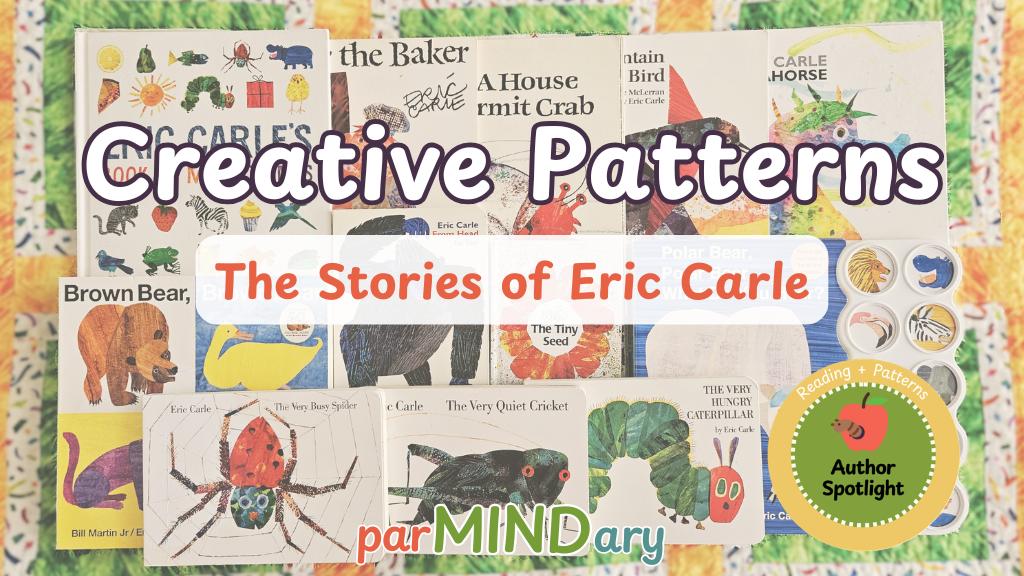
Eric Carle’s children’s books are often remembered for their colorful collage illustrations, but the stories themselves follow recurring patterns. Looking across several favorite Eric Carle books reveals themes of transformation, repetition, and the passage of time.
In Simple Terms:
Eric Carle’s stories invite children into patterns that unfold gradually. Whether following a caterpillar, a seed, an animal, or a sequence of actions, his books often move step by step through a process of change.
At a Glance: Eric Carle Storytelling Patterns
- Growth and transformation
- Repetition and participation
- Time and progression
- Nature-centered storytelling
- Bright collage illustrations
Why this matters:
Many children’s books tell a story. Eric Carle’s stories linger on patterns that can be anticipated, followed, and revisited. Growth, repetition, and change unfold step by step, inviting readers to notice what happens along the way.
Explore Reading & Patterns
Looking for more about story patterns?
You may also enjoy:
• Patterns in stories through books and observation
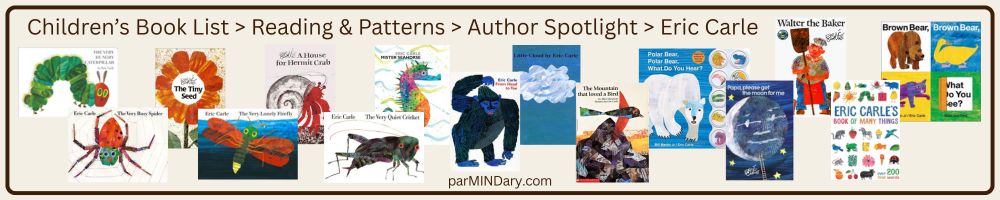
Prefer a quick visual book list? Check out our curated Author Spotlight Book List!”
Discovering the Stories of Eric Carle
Some authors create memorable characters, while others create memorable stories.
Eric Carle did both, while also returning to a handful of storytelling patterns throughout his work.
Long before I thought about story structure or recurring themes in children’s literature, I was reading Eric Carle books with my son. In fact, I chose a Very Hungry Caterpillar theme for his room while I was pregnant, and began to collect many of his books.
The Very Hungry Caterpillar character is what first caught my eye. The colorful collage illustrations and the way his stories are built kept bringing me back. Again and again, his stories return to patterns of transformation, repetition, and the passage of time.
Disclosure: This post contains affiliate links. As an Amazon Associate, I earn from qualifying purchases at no additional cost to you.
Pattern One: Growth and Transformation
Many of Eric Carle’s best-known stories follow a simple but powerful structure: small changes accumulate until growth and transformation become visible.
In The Very Hungry Caterpillar, our favorite green friend eats and grows bigger, before becoming a beautiful butterfly.
In Mister Seahorse, we follow along and explore an underwater world of babies waiting and preparing to venture out on their own.
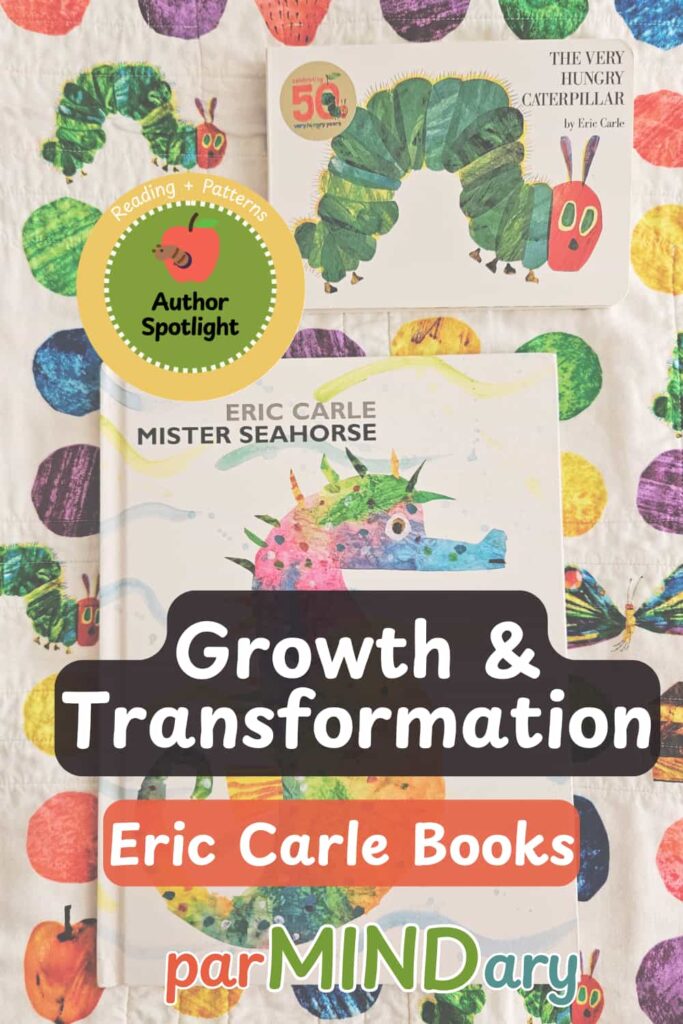
The Very Hungry Caterpillar – Eric Carle
A tiny caterpillar eats his way through the days of the week before becoming something entirely new.
Why this book matters: Perhaps his most recognizable book, The Very Hungry Caterpillar follows a familiar life cycle while building anticipation through repetition and accumulation. Each page adds something new, with some unexpected surprises along the way, until the transformation finally arrives.
Themes / patterns: transformation, life cycle, repetition, sequence
Age range: 1–3
Find The Very Hungry Caterpillar on Amazon
Mister Seahorse – Eric Carle
Curious sea creatures drift through colorful underwater worlds while carrying the next generation with them.
Why this book matters: In Mister Seahorse, the transformation is quieter. Rather than focusing on growth alone, the story explores life cycles, caregiving, and the many ways young animals enter the world.
Themes / patterns: transformation, life cycle, caregiving, nurture
Age range: 1–4
Find Mister Seahorse on Amazon
Although these books are different in tone, both invite readers to observe changes in nature as a gradual process rather than a sudden event.
See below for more of our favorite Eric Carle books that follow this pattern with the same simple style of The Very Hungry Caterpillar.
Pattern Two: Repetition and Participation
Some Eric Carle books are built around repeated language and predictable structure, inviting readers to become part of the pattern. Humor, sliding flaps, and elements of surprise encourage more engagement and add to the fun.
In Brown Bear, Brown Bear, What Do You See? we easily follow along with answering a repeating question.
In From Head to Toe we can do the same moves along with each new animal, participating in the familiar refrain.
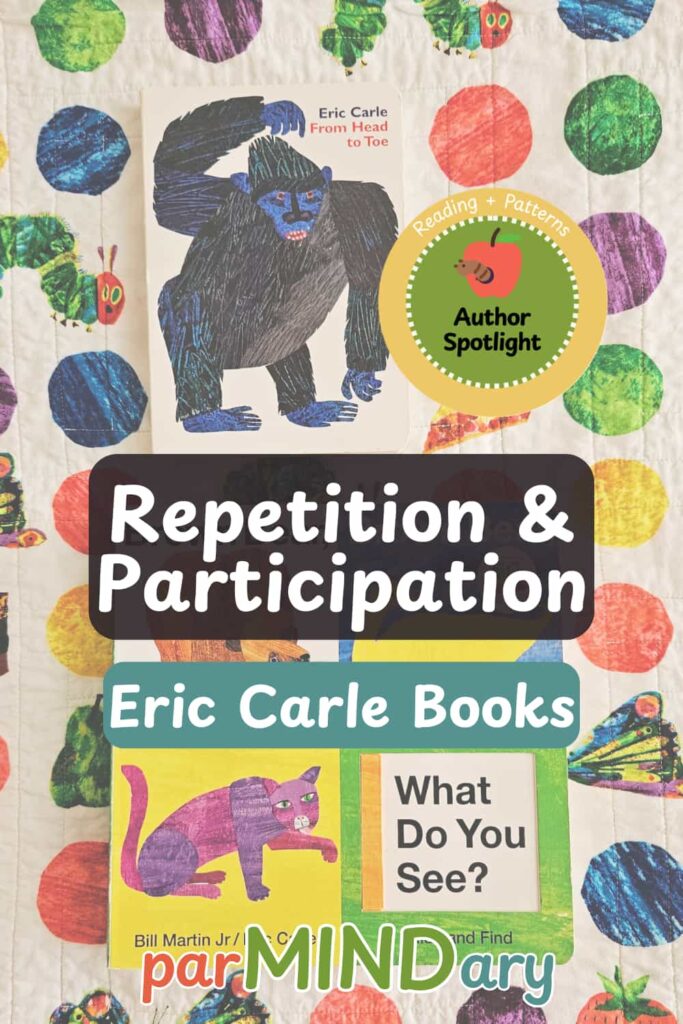
Brown Bear, Brown Bear, What Do You See? – Bill Martin Jr.
Bright animals appear one after another in a pattern that quickly becomes familiar.
Why this book matters: This rhythmic story was written by Bill Martin Jr. and illustrated by Eric Carle. The repeating question-and-answer format allows children to quickly recognize the pattern and begin participating in the reading.
Themes / patterns: repetition, participation, prediction, sequence
Age range: 1–3
Find Brown Bear, Brown Bear, What Do You See? on Amazon
From Head to Toe – Eric Carle
Animals move, stretch, and bend while inviting readers to join in.
Why this book matters: This pattern becomes physical in From Head to Toe. Instead of simply predicting words, children are invited to move, imitate, and join the rhythm of the story.
Themes / patterns: repetition, participation, movement, imitation
Age range: 1–3
Find From Head to Toe on Amazon
These Eric Carle books demonstrate how repetition creates engagement. The pleasure comes not from surprise, but from knowing what comes next. Find Polar Bear, Polar Bear, What Do You Hear? below for another interactive book, with sound.
Pattern Three: Time and Progression
Another recurring pattern in Eric Carle’s work is the movement of time. These stories also follow the growth and transformation in nature pattern, but here the emphasis is on a longer period of time and change is at the ecosystem level.
In The Tiny Seed we follow through a year changing seasons, surviving challenges, and in time we see it become a very tall flower and start the life cycle again.
In The Mountain That Loved a Bird, time spans many generations and hundreds of years to turn a world of stone into an ecosystem full of life where birds can stay.
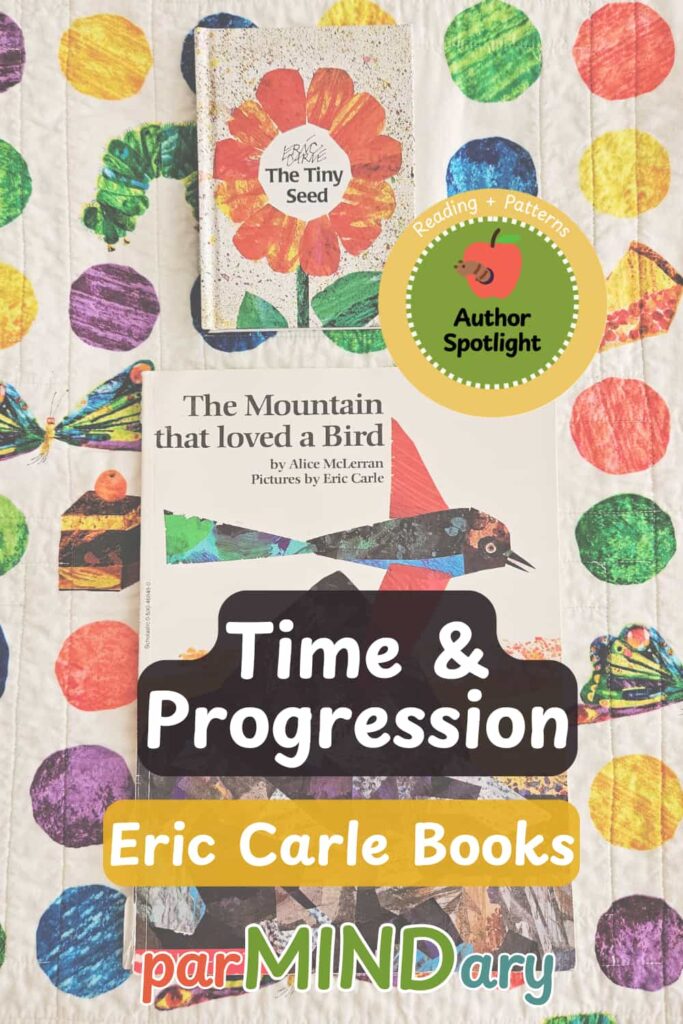
The Tiny Seed – Eric Carle
A tiny seed journeys through the seasons to grow into a flower.
Why this book matters: The Tiny Seed follows a seed through changing seasons and changing circumstances. The story unfolds patiently, showing growth not as a single event but as a process that takes place over time.
Themes / patterns: ecosystems, change over time, transformation, seasons
Age range: 2–6
Find The Tiny Seed on Amazon
The Mountain That Loved a Bird – Alice McLerran
A quiet friendship grows between a lonely mountain and a small bird.
Why this book matters: One of my personal favorites, The Mountain That Loved a Bird was written by Alice McLerran and illustrated by Eric Carle. The story follows a friendship between a mountain and a bird across many generations.
Themes / patterns: friendship, ecosystems, change over time, belonging
Age range: 3–7
Find The Mountain That Loved a Bird on Amazon
The Tiny Seed and The Mountain That Loved a Bird, both invite readers to experience waiting, returning, and the steady movement of time. Our favorite Eric Carle stories are largely set in nature, where colorful characters guide us on a journey.
The Art of Eric Carle
Part of what makes these stories memorable is the artwork itself. Vibrant colors and layered textures draw readers into the world of each story.
Eric Carle created his illustrations using painted papers that were cut into shapes, layered, and assembled into collages. The result feels simple and joyful.
Eric Carle’s Book of Many Things – Eric Carle
Familiar characters, animals, colors, and objects gather together in a joyful collection.
Why this book matters: For readers who enjoy returning to favorite characters and images, Eric Carle’s Book of Many Things offers a chance to linger a little longer. The book gathers familiar elements from across his work into one colorful collection.
Themes / patterns: collections, vocabulary, observation, visual patterns
Age range: 1–5
Find The Mountain That Loved a Bird on Amazon
Eric Carle’s work also reminds me of the artist Henri Matisse, who used cut painted paper to create images through shape and color. In both cases, color does more than decorate the page, it helps tell the story.
More Eric Carle Books We Return To
While the books above illustrate the patterns we see in his stories, they are far from the only Eric Carle books on our shelves.
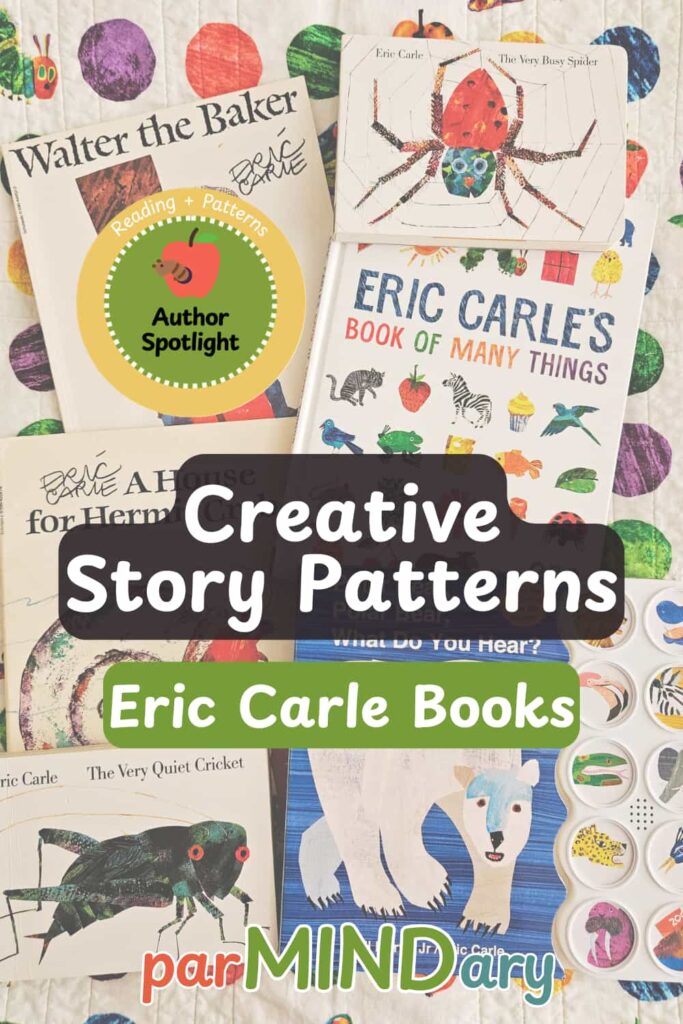
A few others we have enjoyed over the years include:
- A House for Hermit Crab
- Polar Bear, Polar Bear, What Do You Hear?
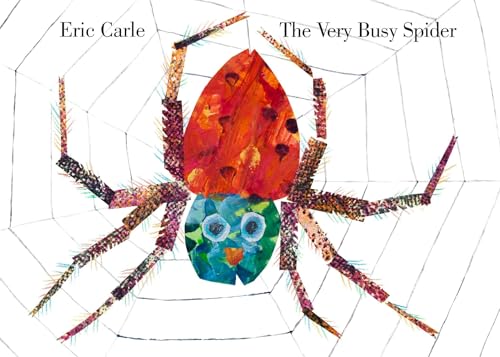
- The Very Busy Spider
- The Very Lonely Firefly
- The Very Quiet Cricket
- Walter the Baker


Why We Keep Returning to Eric Carle
Many of Eric Carle’s stories are written for very young readers and are often described as simple.
In some ways they are. Yet that simplicity makes the underlying patterns easier to see. Growth, repetition, sequence, change, and time appear in forms that can be followed from page to page.
That is one reason these books remain among our favorites and are so easy to revisit. Even if the details of a story are forgotten, the patterns remain.
And once you begin noticing those patterns, you start seeing them throughout the rest of his work as well.
Keep Reading About Related Themes
For more of our favorite books:
For more colorful stories that bring joy to vocabulary and language learning:
Fun and Playful Books About Words, Language, and Spelling for Kids
For more stories that follow the changing seasons:
Children’s Books That Follow the Whole Year: Stories of the Seasons
Note: Whether you borrow books from the library, purchase them, or share them with friends, the goal is the same: finding stories worth returning to. We visit our local library every week and add a few favorites to our home library throughout the year.
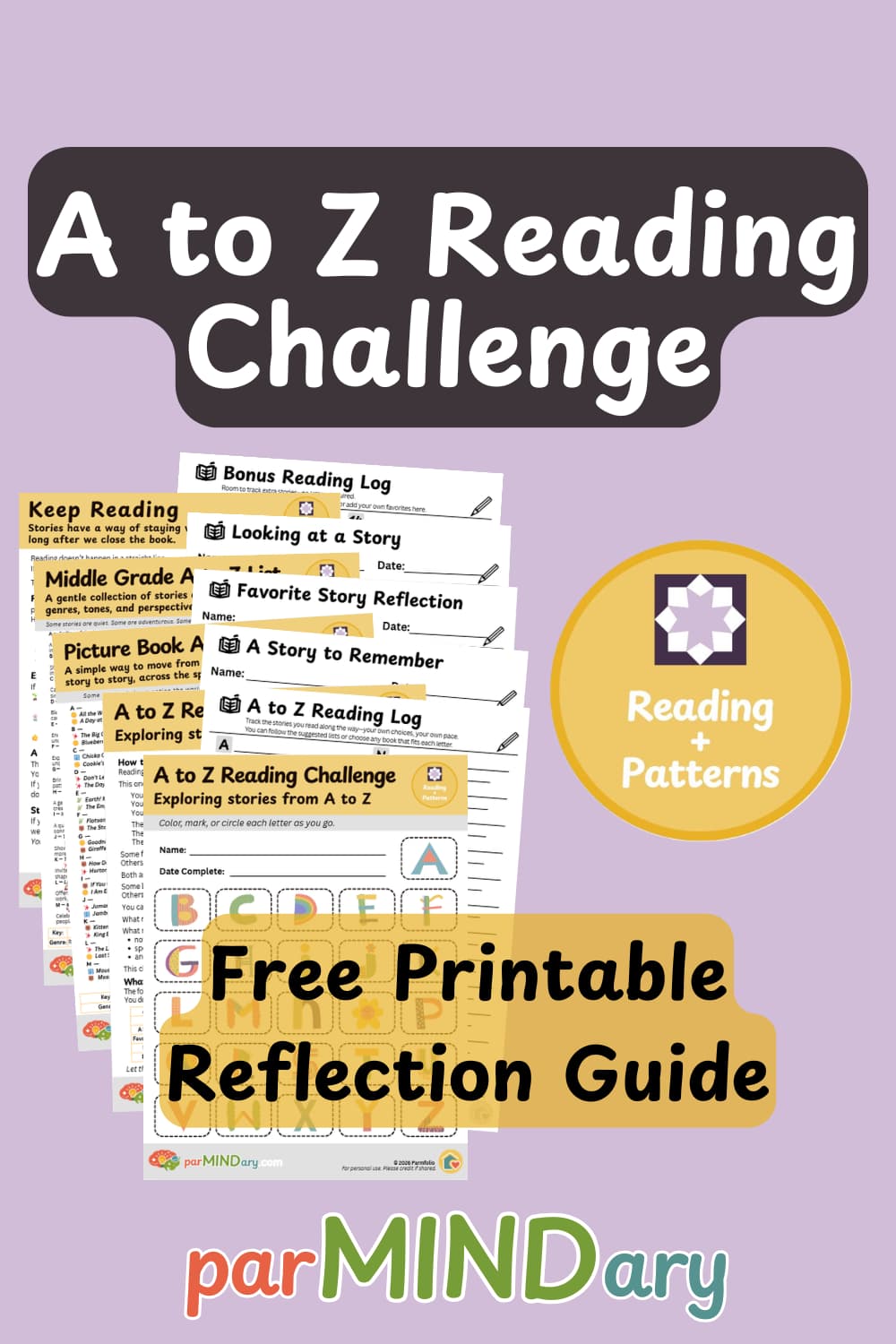
Download the A to Z Reading Challenge for Children from our Free Resource Library.