
Reading & Patterns
Learning Through Books: Reading, Patterns & Connections
Updated June 7, 2026
Reading is more than decoding words.
It is one of the ways we learn to recognize patterns—across stories, ideas, nature, history, and everyday life.
At parMINDary, books are not only sources of information. They are tools for noticing connections, asking questions, and seeing the world from new perspectives.
This category explores the patterns that help us make sense of what we read and what we experience.
What You’ll Find Here
Story Patterns
Stories often feel different on the surface, yet many share common structures.
We explore recurring themes, character journeys, story shapes, and narrative patterns that appear across books, cultures, and time periods.
By noticing these patterns, children begin to see how stories are constructed—and why certain stories stay with us.
Examples: recurring themes, hero journeys, folktale structures, storytelling patterns, and connections between books.
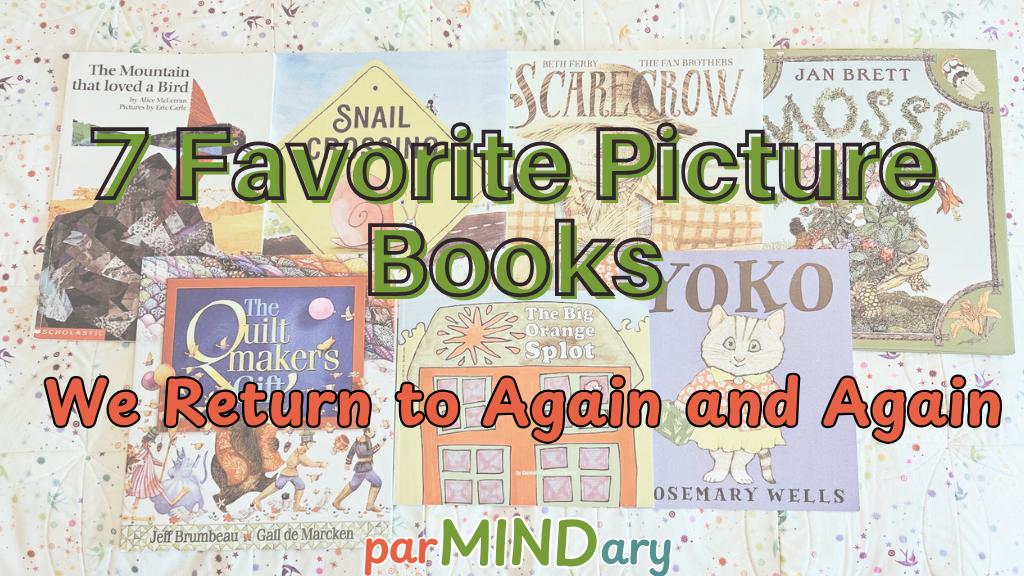
See how we recognize patterns in our favorite stories:
→ 7 Favorite Picture Books We Return to Again and Again
Scale & Perspective
The way we understand the world depends on where we are standing.
Some stories invite us into tiny worlds. Others stretch our thinking across vast distances of space and time. A change in scale can completely change what we notice.
This series explores books that help children think about size, viewpoint, proportion, and perspective.
Examples: Small Heroes, Atoms to Galaxies, miniature worlds, big history, and stories that shift our sense of scale.
Creative Patterns
Books are made by people making choices.
Authors, illustrators, and storytellers use repetition, rhythm, symbolism, visual design, language, and structure to create meaning.
This series looks behind the finished story to notice how creative work is made.
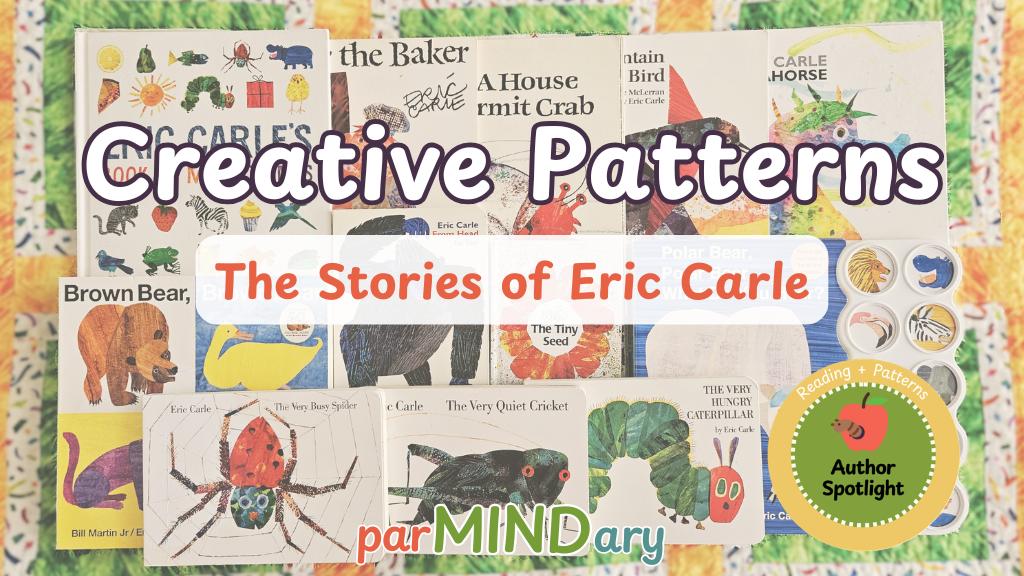
Examples: author spotlights, picture book illustration, recurring artistic motifs, language play, visual storytelling, poetry, and the craft of creating books.
Read our first Author Spotlight about the themes in Eric Carle stories:
→ Reading Through the Stories of Eric Carle
How This Pillar Grows
This page will expand as the site grows.
Over time, you will see:
- Documented pattern studies
- Reflections on long-running interests
- Tools for noticing and recording repetition
- Products designed to support pattern-based learning without scripting it
Patterns only reveal themselves over time—and this pillar is built to honor that.
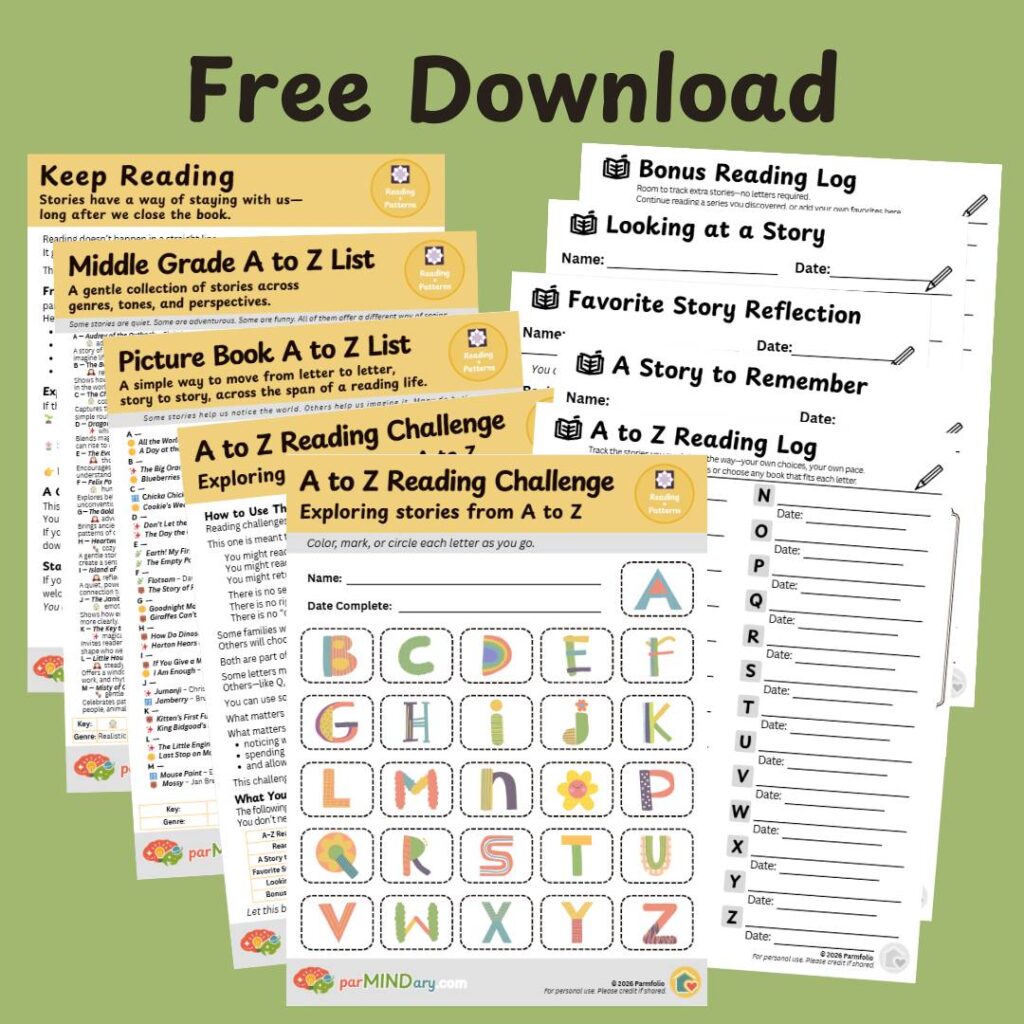
A–Z Reading Challenge: Noticing Patterns Across Stories
The A–Z Reading Challenge offers a simple way to encounter a wide range of stories—across genres, tones, and characters—one letter at a time.
As children move through the alphabet, patterns begin to emerge:
how stories are structured, how characters change, and how different kinds of books approach similar ideas.
It’s not a system for tracking progress, but a way of noticing what begins to repeat and take shape over time.
→ Explore the A–Z Reading Challenge in our Free Resource Library
A Note About Patterns
Reading helps us recognize patterns.
Patterns help us understand the world.
And understanding often begins by noticing something we had never seen before.
If you are new here, you may also want to check out:
- The Start Here page for a high-level overview of parMINDary
- The parMINDary Philosophy page for foundational ideas
- The Learning Through Stories page for reframing required subjects
- The Seasons & Culture page for learning through nature’s rhythms and traditions
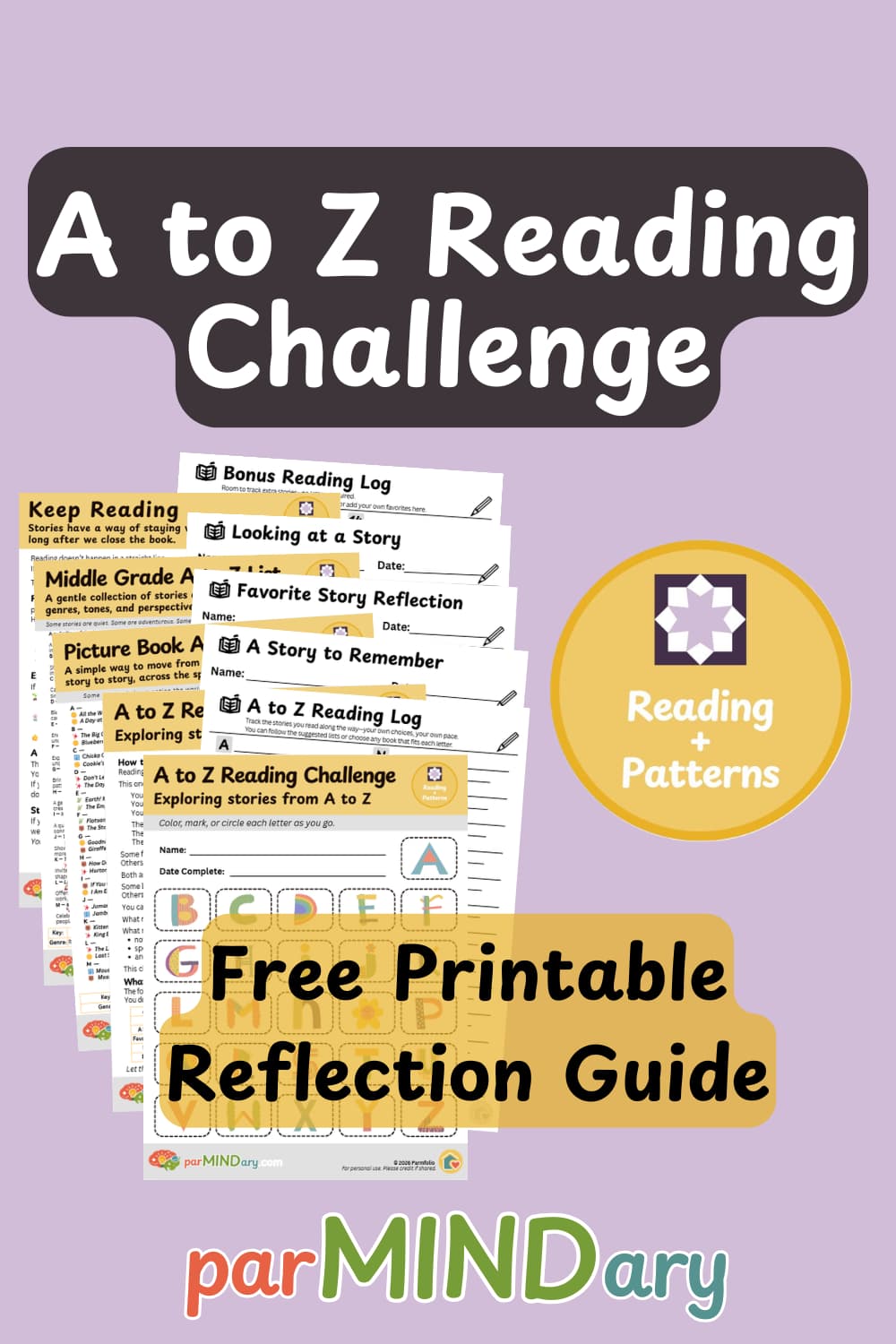
Download the A to Z Reading Challenge for Children from our Free Resource Library.