A Curated Book List
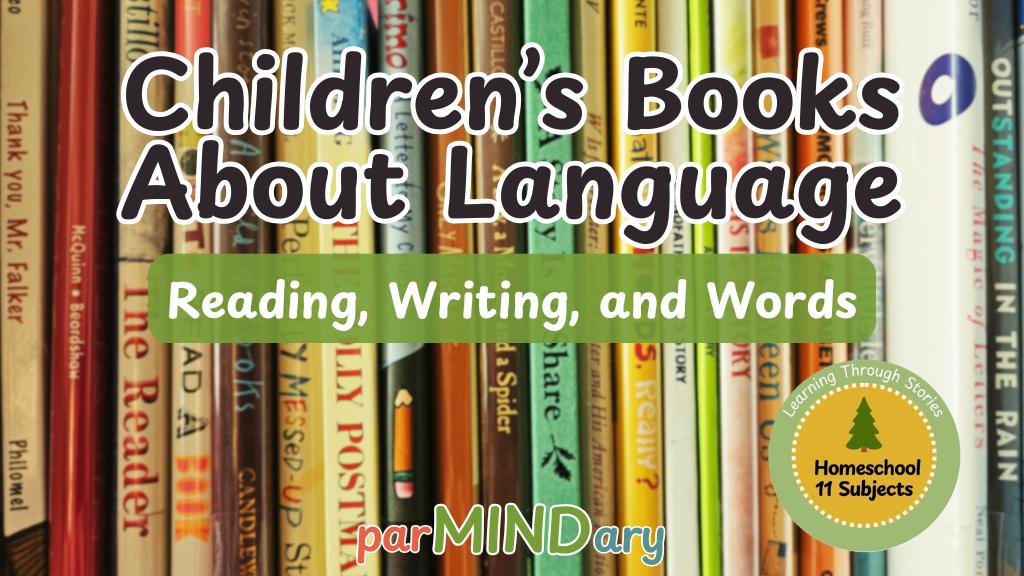
Books about reading and writing for kids are often treated as tools for learning skills, but many stories explore something deeper. They linger on meaning, imagination, communication, identity, and the ways words connect people across time. In this curated book list, we gather reflective stories about reading, writing, language, and spelling that invite conversation rather than completion. Whether through stories about books themselves, the lives of authors, the meaning carried through names and language, or playful patterns in words, these books form part of our broader Language & Meaning series exploring language arts in a Washington homeschool.
In Simple Terms:
Reading, writing, language, and spelling are connected ways of making and sharing meaning. These stories explore how words carry imagination, identity, memory, humor, and connection across people and time.
At a Glance: Reading, Writing, and Words
- Reading connects us to stories and ideas
- Writing preserves thought and communication
- Language carries meaning across cultures and time
- Spelling reveals sound, structure, and pattern
Why this matters:
Language arts are more than isolated school subjects. Together, they shape how we understand ourselves, communicate with others, and participate in shared culture over time.
Explore Language & Meaning
Looking for more about Language Arts through stories and reflection?
You may also enjoy:
• Story-based language and meaning explorations
• Patterns in stories through books and observation
Reading, Writing, and Language as Shared Meaning
Reading, writing, language, and spelling are often separated into different school subjects. But in lived experience, they overlap constantly.
A story read aloud becomes conversation. A new word leads to curiosity about meaning or history. A written message carries thought across time. Even spelling reveals patterns hidden beneath language.
These books are grouped together because they explore language arts as connected forms of meaning-making rather than isolated skills. Some are quiet and reflective. Others playful or surprising. Together, they linger on the ways words shape imagination, identity, memory, and communication.
This list connects to our broader Language & Meaning series exploring Reading, Writing, Language, and Spelling in a Washington homeschool.
Disclosure: This post contains affiliate links. As an Amazon Associate, I earn from qualifying purchases at no additional cost to you.
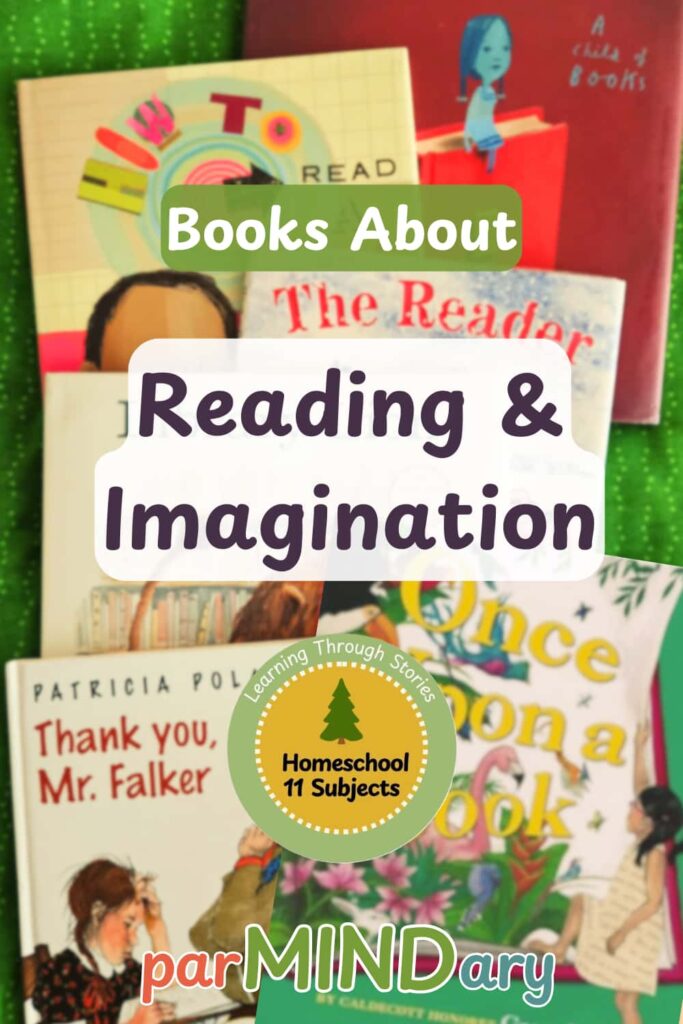
Stories About Reading
Some stories are not only meant to be read—they are about reading itself.
These books linger on imagination, meaning, memory, and the quiet relationship between reader and text. Across libraries, bedtime stories, and journeys into fictional worlds, they explore reading as connection across time and experience.
Themes in this Section:
imagination · memory · libraries · connection · storytelling
✦
Lines, Squiggles, Letters, Words – Ruth Rocha
Lines and squiggles slowly gather into letters, words, and stories.
Why this book matters: Simple marks on a page gradually become something filled with meaning and imagination. The story lingers on the quiet transformation from symbols to language, inviting readers to notice the remarkable journey between making a mark and sharing an idea.
Themes / patterns: written language, symbols, reading, imagination, communication
Age range: 4–8
Find Lines, Squiggles, Letters, Words on Amazon
A Child of Books – Oliver Jeffers
Words become oceans, forests, maps, and pathways through imagination.
Why this book matters: Pages unfold into oceans, forests, maps, and stars as language becomes a world to move through. The story lingers on reading not as skill practice, but as an invitation into imagination shared between readers across generations.
Themes / patterns: imagination, storytelling, books as worlds, shared language, literary connection
Age range: 3–8
Find A Child of Books on Amazon
How to Read a Book – Kwame Alexander
Slow, poetic language invites readers to enter fully into a story.
Why this book matters: Rather than focusing on mechanics, the text moves through feeling, rhythm, and attention. Reading becomes something sensory and relational — a process of listening, wondering, noticing, and returning again.
Themes / patterns: attention, imagination, sensory reading, reflection, relationship with books
Age range: 4–8
Find How to Read a Book on Amazon
The Reader – Amy Hest
Snowy walks, warm tea, and shared books unfold through a quiet family routine.
Why this book matters: Snowy mornings unfold and shared stories create an atmosphere where reading feels deeply human and comforting. The relationship between child, grandparent, and book unfolds gently through ordinary moments.
Themes / patterns: family connection, reading aloud, comfort, winter stories, intergenerational relationships
Age range: 3–6
Find The Reader on Amazon
Library Lion – Michelle Knudsen
A thoughtful library story about rules, belonging, and when care matters most.
Why this book matters: The library’s quiet routines shift when a lion begins attending story hour. Order and structure remain important, but compassion slowly emerges as the deeper organizing principle beneath the rules.
Themes / patterns: libraries, belonging, rules and flexibility, community, kindness
Age range: 3–6
Find Library Lion on Amazon
These books about reading tie into our related post:
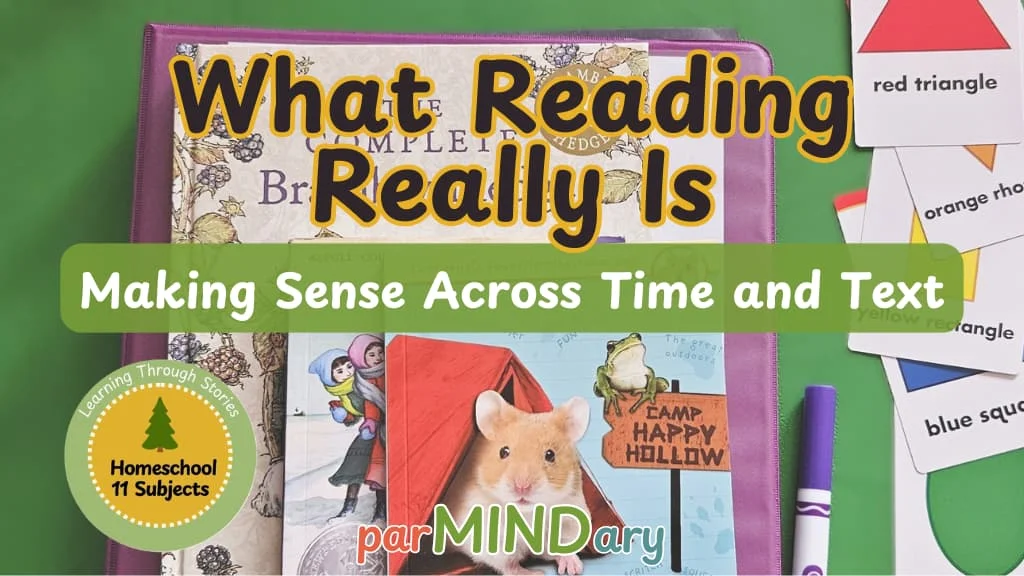
What Reading Really Is: Making Sense Across Time and Text
Reading is the practice of making meaning across time and text — from symbol to sentence to story to worldview.
The Many Problems of Rochel-Leah – Jane Yolen
One girl’s determination to learn to read quietly reshapes generations that follow her.
Why this book matters: Set within a community where formal reading instruction was reserved for boys, the story follows Rochel-Leah’s persistent desire to learn anyway. Books, oral storytelling, and inherited knowledge become connected across generations of women, revealing literacy as both personal longing and cultural continuity.
Themes / patterns: reading and identity, literacy access, perseverance, oral tradition, intergenerational learning
Age range: 4–7
Find The Many Problems of Rochel-Leah on Amazon
Thank You Mr. Falker – Patricia Polacco
Struggle, encouragement, and persistence define one child’s path toward reading.
Why this book matters: Confusion, embarrassment, and quiet determination shape Trisha’s early school years until one teacher begins to see beneath the struggle. The story draws attention to reading as both emotional and deeply personal.
Themes / patterns: dyslexia, encouragement, perseverance, identity, supportive teachers
Age range: 6–9
Find Thank You Mr. Falker on Amazon
Once Upon a Book – Grace Lin
Ordinary surroundings dissolve into the layered worlds carried inside stories.
Why this book matters: As pages turn, everyday surroundings dissolve into folklore, adventure, and imagination. Reading becomes a bridge between ordinary life and the layered worlds carried inside books.
Themes / patterns: imagination, folklore, story worlds, reading as transformation, curiosity
Age range: 4–8
Find Once Upon a Book on Amazon
Wolf! – Becky Bloom
A lonely wolf discovers that books can change more than a story’s ending.
Why this book matters: When Wolf learns to read, he begins collecting books with enthusiasm and delight. Neighbors who once feared him grow curious about the unexpected change, and stories gradually become a bridge between suspicion and friendship. Reading appears not simply as a skill, but as something capable of reshaping relationships and community.
Themes / patterns: reading and transformation, libraries and books, friendship, community, assumptions and identity
Age range: 3–6
Find Wolf! on Amazon
Reading opens the door to meaning. Writing becomes one way that meaning is carried forward.
Stories About Writing & Authors
Writing begins as thought, memory, observation, or play before it ever becomes a finished product.
These stories follow authors, letters, storytelling traditions, and the messy process of creating something to share with others. Together, they bring attention to writing as communication across both distance and time.
Themes in this Section:
creative process · author biographies · imagination · letter writing
✦
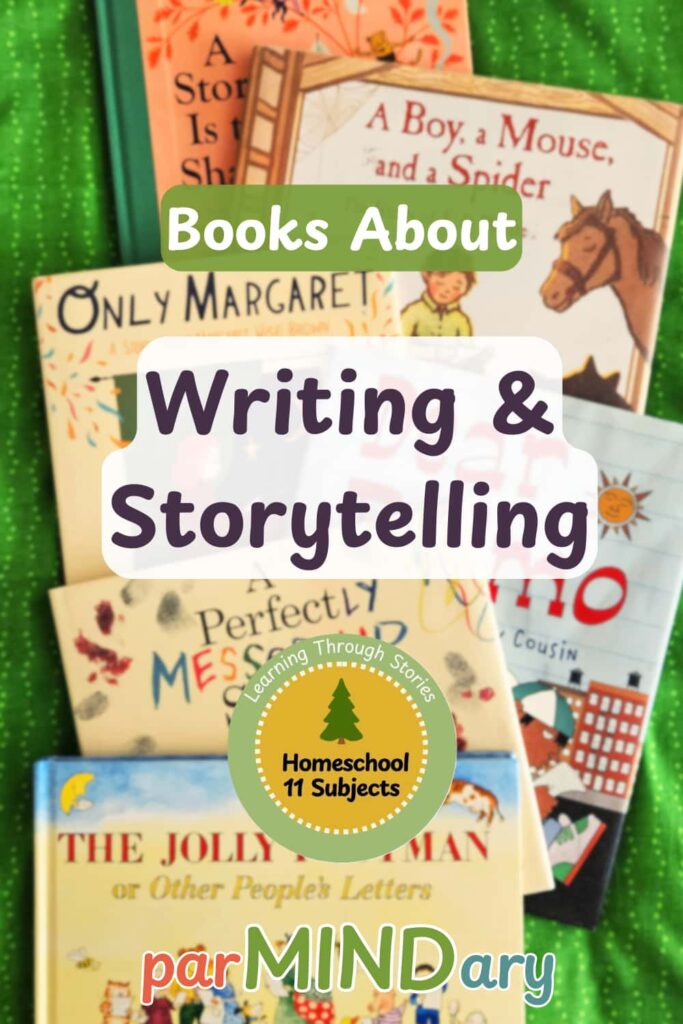
A Story is to Share: How Ruth Krauss Found Another Way to Tell a Tale – Carter Higgins
Ideas, sketches, conversations, and unusual storytelling slowly gather into something new.
Why this book matters: The story lingers on creative process rather than polished results. Notes, collaboration, and experimentation unfold gradually as Ruth Krauss begins shaping stories that leave room for imagination and play.
Themes / patterns: creative process, storytelling, collaboration, imagination, artistic experimentation
Age range: 4–8
Find A Story is to Share on Amazon
A Boy, A Mouse, and A Spider: the Story of E.B. White – Barbara Heckert
Quiet observation and deep attention shape the early life of a future writer.
Why this book matters: Fields, animals, sounds, and ordinary moments gather slowly into the experiences that later appear in E.B. White’s stories. The book draws attention to writing as something rooted in noticing the world closely over time.
Themes / patterns: observation, author biographies, nature and writing, memory, creative life
Age range: 5–9
Find A Boy, A Mouse, and A Spider on Amazon
Only Margaret: a Story about Margaret Wise Brown – Candice Ransom
Rules about children’s books begin to shift as one writer follows imagination in a different direction.
Why this book matters: Movement, sound, childhood rhythm, and everyday experience take center stage as Margaret Wise Brown’s storytelling style emerges. Familiar assumptions about how stories “should” work begin to loosen in the process.
Themes / patterns: innovation in storytelling, childhood imagination, author biographies, sound and rhythm, literary change
Age range: 5–9
Find Only Margaret on Amazon
These books about writing connect with our related post:
Writing as a Record of Thought, Not Performance
Writing records thought. It moves from sentence to narrative to legacy, preserving ideas over time.
The Jolly Postman – Allan Ahlberg
Letters travel between familiar storybook characters through envelopes, postcards, and small surprises.
Why this book matters: Written communication becomes tactile and interactive as readers unfold the mail carried through the story. Messages move physically across distance, linking together separate stories and voices through written exchange.
Themes / patterns: letter writing, storytelling connections, communication, fairy tales, interactive books
Age range: 3–7
Find The Jolly Postman on Amazon
Dear Primo: A Letter to My Cousin – Duncan Tonatiuh
Two cousins share daily life across countries through letters, memory, and comparison.
Why this book matters: Ordinary routines unfold side by side across Mexico and the United States, drawing attention to both difference and connection. Written communication becomes a bridge between family members living within different languages, places, and experiences.
Themes / patterns: letters, bilingual families, cultural connection, daily life, communication across distance
Age range: 4–8
Find Dear Primo on Amazon
A Perfectly Messed-Up Story – Patrick McDonnell
Ink spills, interruptions, and unexpected accidents slowly reshape the story itself.
Why this book matters: Instead of resisting mistakes, the story folds them directly into the narrative. Scribbles, stains, and disruptions become part of the creative process, inviting a looser and more playful relationship with writing and storytelling.
Themes / patterns: creative play, imperfection, storytelling process, humor, flexibility
Age range: 2–5
Find A Perfectly Messed-Up Story on Amazon
Behind every written story is language itself—the shared system that allows meaning to move between people.
Stories About Language & Words
Words carry more than simple definitions.
They hold culture, identity, history, humor, and connection. These stories explore names, translation, storytelling traditions, and the layered meanings language gathers as it moves across people and generations.
Themes in this Section:
oral storytelling · folklore · culture · communication · word origins
✦
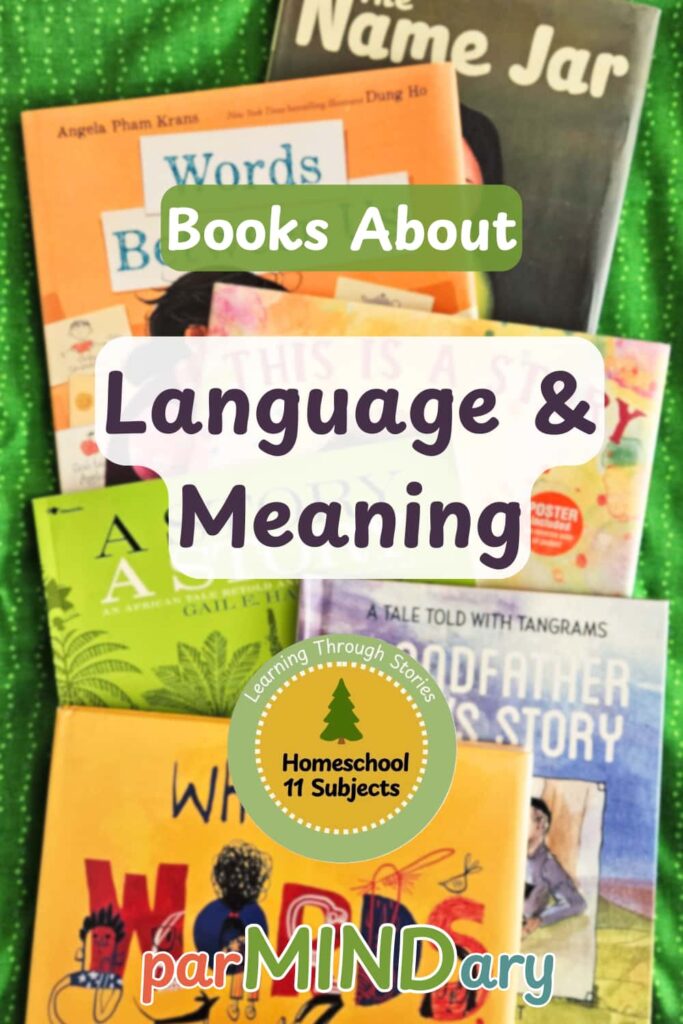
The Name Jar – Yangsook Choi
A child’s name becomes the center of questions about belonging, identity, and shared understanding.
Why this book matters: Classroom conversations, mispronunciations, and quiet moments of uncertainty gather around something deeply personal: a name. The story draws attention to how language carries culture, memory, and identity all at once.
Themes / patterns: names and identity, belonging, culture, immigration, shared language
Age range: 5–9
Find The Name Jar on Amazon
Words Between Us – Angela Pham Krans
Carefully chosen words slowly bridge distance, silence, and separation within a family.
Why this book matters: Letters, translation, and emotional restraint shape the relationship at the center of the story. Meaning emerges gradually through what is spoken, what is left unsaid, and what language struggles to fully carry across generations.
Themes / patterns: family communication, immigration, translation, emotional language, intergenerational relationships
Age range: 4–8
Find Words Between Us on Amazon
This is a Story – John Schu
Stories pass from voice to voice, gathering memory, comfort, and connection along the way.
Why this book matters: Reading aloud, listening closely, and sharing stories across relationships become central rhythms within the book. Language appears not only as information, but as something deeply relational and sustaining.
Themes / patterns: oral storytelling, shared reading, memory, family connection, stories across generations
Age range: 4–8
Find This Is a Story on Amazon
A Story, A Story – Gail E. Haley
An oral storytelling tradition moves through rhythm, repetition, and spoken performance.
Why this book matters: The story draws from West African storytelling traditions where spoken language carries memory, humor, and cultural knowledge across generations. Repetition and voice become part of the structure through which meaning is preserved.
Themes / patterns: oral tradition, folklore, storytelling, cultural memory, spoken language
Age range: 4–8
Find A Story, A Story on Amazon
Grandfather Tang’s Story: a Tale Told with Tangrams – Ann Tompert
Shapes shift and rearrange as storytelling unfolds through visual pattern and spoken language together.
Why this book matters: Tangram puzzles and folktale structure move side by side throughout the story, drawing attention to the relationship between pattern, interpretation, and meaning-making. The layered retelling also reflects how stories change slightly as they move across people and time.
Themes / patterns: folktales, visual storytelling, patterns, retelling, Chinese folklore
Age range: 3–8
Find Grandfather Tang’s Story on Amazon
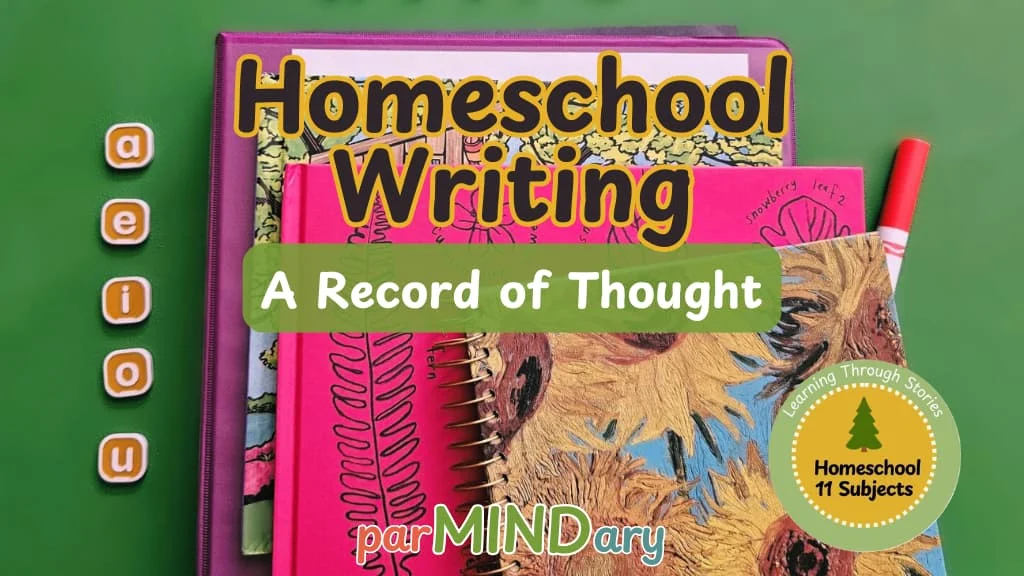
These books about language link to our related post:
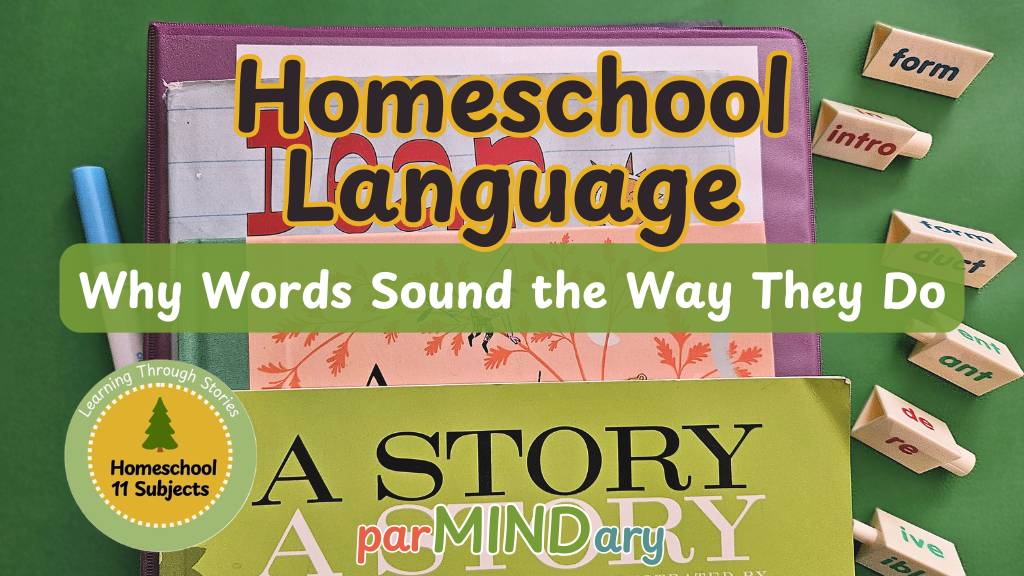
Why Words Sound the Way They Do (Language)
Language grows from root to word to language to culture. Studying language reveals how ideas travel across generations.
W is for Webster: Noah Webster and his American Dictionary – Tracey Fern
One man’s fascination with words gradually shapes the language used across an entire country.
Why this book matters: Definitions, spelling choices, and shared vocabulary become part of a growing national identity after the American Revolution. The story brings into focus how language systems evolve over time and become tied to culture and collective identity.
Themes / patterns: word origins, dictionaries, American history, language systems, shared vocabulary
Age range: 4–8
Find W Is for Webster on Amazon
What Are Words, Really? – Alexi Lubomirski
Simple conversations begin unfolding into larger questions about meaning, kindness, and human connection.
Why this book matters: Rather than treating words as fixed definitions, the story lingers on the emotional and relational weight language can carry. Small interactions gradually reveal how words influence both personal experience and shared community.
Themes / patterns: meaning, kindness, emotional language, relationships, communication
Age range: 4–8
Find What Are Words, Really? on Amazon
Even within thoughtful language and storytelling, there is still room for humor, surprise, and playful experimentation with words.
Stories About Spelling, Word Play & Pattern
Some language stories invite laughter first.
Through unusual spellings, sound patterns, alphabet play, and surprising word connections, these books draw attention to the structure hidden beneath written language. Even playful language reveals patterns that shape how words work.
Themes in this Section:
spelling · alphabet play · word sounds · written language · humor
✦
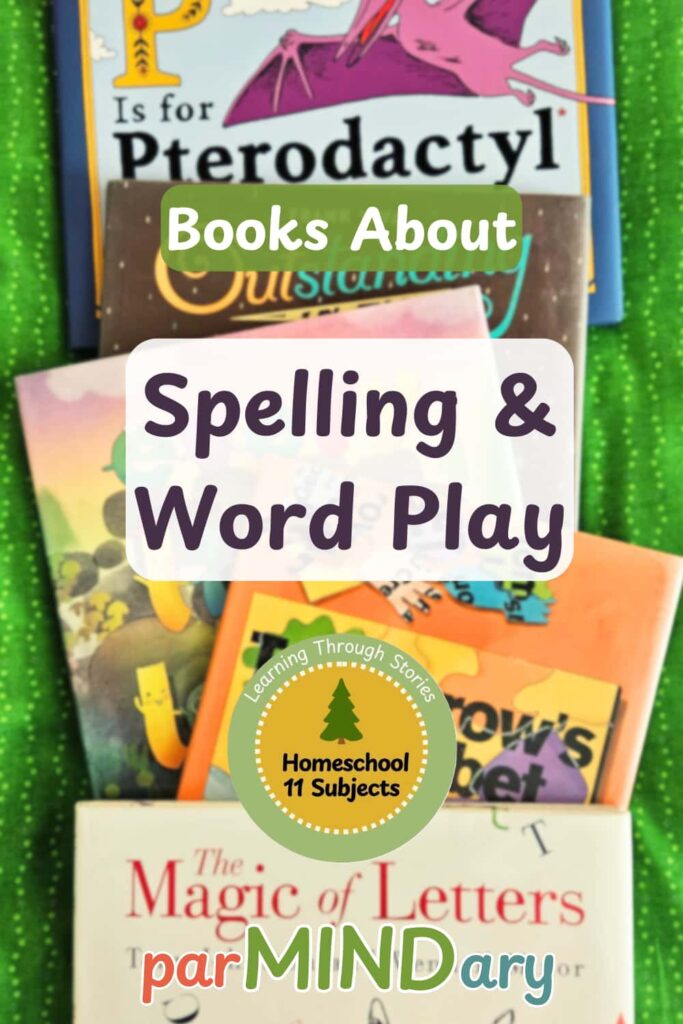
P Is for Pterodactyl: The Worst Alphabet Book Ever – Raj Haldar
Silent letters and impossible spellings turn the alphabet into a running joke.
Why this book matters: Absurd examples and exaggerated pronunciation bring attention to the strange historical layers hidden inside English spelling. The humor works because the inconsistencies are real, inviting curiosity about how language changes over time.
Themes / patterns: silent letters, spelling irregularities, language evolution, humor, pronunciation
Age range: 2–6
Find P Is for Pterodactyl on Amazon
The Spelling Bee Before Recess– Deborah Lee Rose
Nervous energy, classroom pressure, and determination gather around a single spelling competition.
Why this book matters: The story captures the emotional atmosphere surrounding spelling performance while still keeping language playful and accessible. Sound, memory, and confidence begin overlapping as words move from spoken language into written form.
Themes / patterns: spelling, confidence, school experiences, sound and writing, perseverance
Age range: 6–9
Find The Spelling Bee Before Recess on Amazon
Outstanding in the Rain – Frank Viva
Rhyming wordplay and visual humor transform ordinary phrases into layered language puzzles.
Why this book matters: Double meanings unfold gradually as illustrations shift the interpretation of familiar expressions. Spoken language, visual context, and humor work together to show how meaning changes depending on perspective.
Themes / patterns: wordplay, idioms, double meanings, visual interpretation, humor
Age range: 4–8
Find Outstanding in the Rain on Amazon
These books about spelling echo our related post:
Why Words Look the Way They Do (Spelling)
Spelling uncovers structure in written language — from sound to pattern to word to written system.
The Magic of Letters – Tony Johnston
Letters drift, gather, and rearrange into words filled with sound and imagination.
Why this book matters: The story lingers on the sensory and visual qualities of written language itself. Shapes, sounds, rhythm, and imagination combine as letters become something more than abstract symbols on a page.
Themes / patterns: letters and sound, imagination, written language, rhythm, visual storytelling
Age range: 4–8
Find The Magic of Letters on Amazon
Every Little Letter – Deborah Underwood
Tiny letters quietly build the rhythm and meaning of everyday communication.
Why this book matters: Punctuation marks, lowercase letters, and overlooked details become central characters within the story. Attention shifts toward the small structures that quietly organize written language and guide interpretation.
Themes / patterns: written language structure, punctuation, alphabet awareness, communication, visual language
Age range: 4–8
Find Every Little Letter on Amazon
Tomorrow’s Alphabet – George Shannon
Objects transform into future possibilities as each page reimagines the alphabet through prediction and pattern.
Why this book matters: The book plays with sequence, anticipation, and visual reinterpretation rather than straightforward labeling. Connections emerge gradually as readers begin noticing relationships between present forms and future outcomes.
Themes / patterns: prediction, visual patterns, alphabet play, inference, transformation
Age range: 4–8
Find Tomorrow’s Alphabet on Amazon
Books may begin these conversations, but language learning rarely stays confined to the page.
Looking for more playful language and spelling stories?
Explore our companion list:
Fun and Playful Books About Words, Language, and Spelling for Kids
Language Beyond the Page
Language lives in far more places than lessons or books alone.
It moves through conversations, signs, songs, family stories, questions, and shared experiences. Over time, children begin noticing that words carry meaning differently across places, relationships, and cultures.
A new word overheard in a grocery store. A phrase passed down through grandparents. A bilingual sign. A joke built around sound and timing. Language learning often begins quietly — through noticing how people communicate in everyday life.
Noticing Language in Daily Life
These stories are one way to begin paying closer attention to the language already surrounding us.
You might begin noticing:
- unfamiliar words that spark curiosity
- names connected to family, culture, or history
- differences in accent, rhythm, or pronunciation
- signs, songs, and conversations in multiple languages
- storytelling traditions shared across generations
- phrases repeated within your family or community
- moments when humor depends on sound or double meaning
Some gentle questions to carry forward:
- What words does your child ask about repeatedly?
- Which stories lead to the longest conversations?
- What phrases or expressions have been passed through your family?
- Where do you encounter different languages or ways of speaking in daily life?
- Which books made language feel playful, emotional, or deeply personal?
Language learning often grows quietly through conversation, curiosity, stories, and shared experience.
Related Posts + Language & Meaning Guide
This book list is part of our Language & Meaning series exploring language arts through stories, reflection, and real-world homeschooling in Washington State.
You may also enjoy:
- What Reading Really Is: Making Sense Across Time and Text
- Writing as a Record of Thought, Not Performance
- Why Words Sound the Way They Do (Language)
- Why Words Look the Way They Do (Spelling)
Related reflection and documentation tools for the Language & Meaning series will be available in the Free Resource Library soon.
Note: Whether you borrow books from the library, purchase them, or share them with friends, the goal is the same: finding stories worth returning to. We visit our local library every week and add a few favorites to our home library throughout the year.