
A Curated Book List
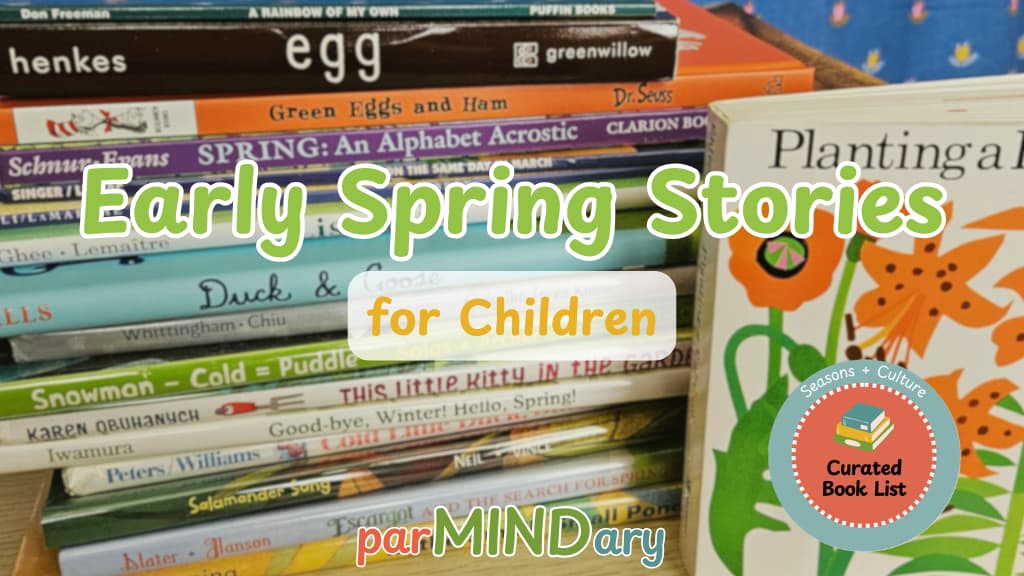
Early spring is a season of quiet change. The world is beginning to shift, but not all at once. Snow melts in patches, buds swell on branches, and the first returning birds appear—sometimes before we’re quite ready to believe the season is changing.
This in-between moment is easy to miss. From a distance, it can still look like winter. But up close, the signs of spring are already there.
Sharing early spring stories with children helps us slow down and notice these small transitions. This curated collection of early spring picture books highlight waiting, watching, and the first visible signs of change—when the world moves from stillness toward growth.
In Simple Terms:
Early spring stories help children notice the quiet shift from winter to growth. These books focus on waiting, watching, and the first small signs of change—helping children recognize that spring begins long before everything is in bloom.
At a Glance: Early Spring Through Stories
- Stories of waiting, watching, and gradual change
- First signs of spring: melting, movement, returning life
- Themes of patience, transition, and renewal
- Poetry and language that reflect subtle seasonal shifts
- Simple observation ideas to connect stories with the real world
Why this matters:
Early spring is easy to overlook because the changes are small and slow. When children encounter this season through stories, they begin to notice what might otherwise be missed—and learn that meaningful change often happens quietly, over time.
Explore Seasonal Books
Looking for stories tied to a specific season?
You may also enjoy our quick visual guides:
• Spring Books for Children
• Summer Nature Stories
• Autumn & Harvest Picture Books
• Winter Read-Aloud Stories
• Books About the Seasons
🌱 Reading During Early Spring
Early spring can feel unpredictable. Some days still carry the quiet of winter, while others hint at warmth and movement. We find ourselves watching more closely—looking for small changes and wondering what will happen next.
These stories help guide that attention. They invite us to notice the subtle shifts happening in the natural world and remind us that change often begins quietly, long before it feels complete.
In early spring, we aren’t just waiting anymore—we are beginning to see.
Disclosure: This post contains affiliate links. As an Amazon Associate, I earn from qualifying purchases at no additional cost to you.
🌱 Spring Picture Books about Watching & Waiting
These stories sit in that “in-between” space—where something is beginning, but hasn’t fully arrived.
They focus on quiet observation, anticipation, and the feeling that change is close, even if it’s not fully visible yet.
Looking for stories about Spring?
Check out our other posts about Spring here.
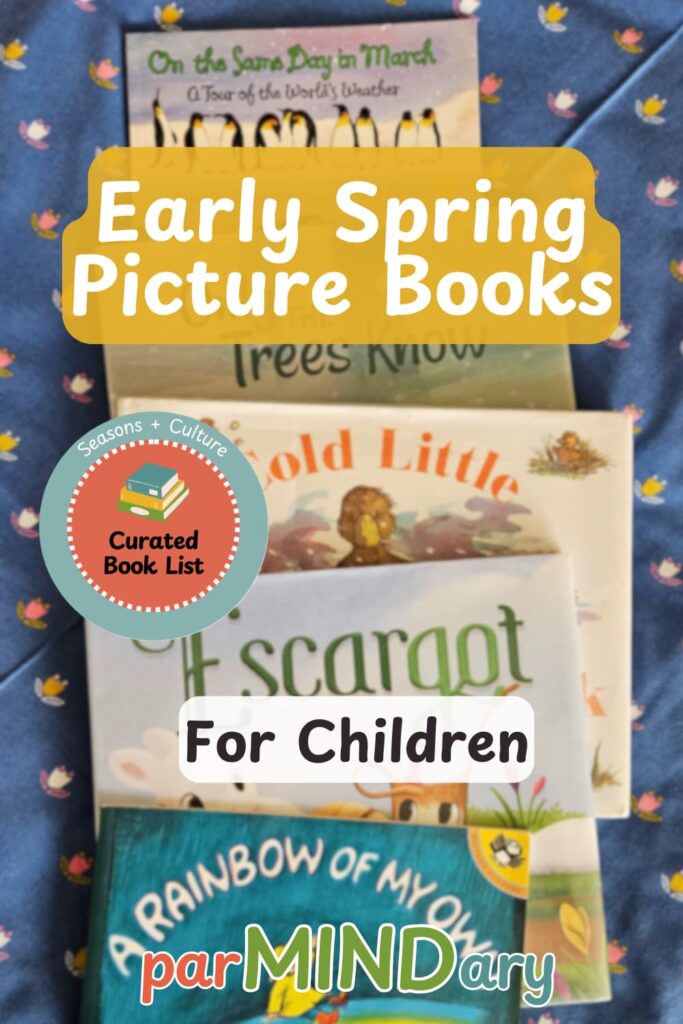
On the Same Day in March – Marilyn Singer
Spring arrives in different ways across the world—all on the same day.
Why this book matters: Across deserts, mountains, and snowy landscapes, March looks completely different. Children begin to see that seasonal change isn’t universal—it depends on where you are. That shift in perspective makes early spring feel bigger and more connected.
Themes / patterns: seasonal variation, geographic awareness, early spring signs, comparing environments, noticing differences in nature
Age range: 4–8
Find On the Same Day in March on Amazon
Escargot and the Search for Spring – Dashka Slater
Escargot, a determined (and very French) snail, sets out to find spring.
Why this book matters: Escargot expects something grand—but instead encounters small, subtle signs along the way. His journey mirrors early spring itself: not dramatic, but quietly unfolding for those willing to look closely.
Themes / patterns: searching for change, patience, humor, perspective, noticing small details
Age range: 4–6
Find Escargot and the Search for Spring on Amazon
Only the Trees Know – Jane Wittingham
While everything still looks like winter, the trees already know spring is coming.
Why this book matters: Before we notice anything at all, trees are already changing—sap rising, buds forming, life beginning again. This gentle story invites children to trust that change can be happening even when we can’t yet see it.
Themes / patterns: hidden change, tree observation, quiet seasonal shifts, trust in natural cycles, noticing before seeing
Age range: 3–7
Find Only the Trees Know on Amazon
Cold Little Duck, Duck, Duck – Lisa Westberg Peters
A young duckling braves the lingering cold of early spring.
Why this book matters: Warmth doesn’t arrive all at once. Through the duckling’s experience, children see how early spring holds both cold and change at the same time—an important reminder that seasons overlap rather than switch instantly.
Themes / patterns: temperature shifts, early spring weather, animal experience, transition between seasons, resilience
Age range: 4–8
Find Cold Little Duck, Duck, Duck on Amazon
The Golden Egg Book – Margaret Wise Brown
Wonder what might be waiting inside a mysterious egg.
Why this book matters: A curious bunny finds an egg and tries everything he can think of to discover what is inside. The waiting creates its own small mystery, capturing the anticipation of early spring when new life may be present before we can see it.
Themes / patterns: waiting, curiosity, eggs, new life, anticipation
Age range: 1–5
Find The Golden Egg Book on Amazon
The Easter Egg – Jan Brett
Search for the perfect egg while spring life unfolds all around.
Why this book matters: Hoppi’s plans for the Easter Rabbit’s egg contest are interrupted when he stops to watch over a mother robin and her nest. His choice turns a story of anticipation into one of patience and care, surrounded by the colors and new life of spring.
Themes / patterns: spring, eggs, waiting, care, renewal
Age range: 2–6
Find The Easter Egg on Amazon
A Rainbow of My Own – Don Freeman
A child imagines catching and keeping a rainbow.
Why this book matters: As light returns and colors reappear, imagination often follows. This story reflects that shift—when children begin to engage more actively with the world again, noticing beauty and wanting to hold onto it.
Themes / patterns: imagination, color and light, wonder, emotional renewal, creative thinking
Age range: 2–5
Find A Rainbow of My Own on Amazon
Ada and the Galaxies – Alan Lightman & Olga Pastuchiv
Wait for darkness to reveal a sky that daylight keeps hidden.
Why this book matters: Ada longs to see the stars during a visit with her grandparents, but clouds and light keep getting in the way. Her patient watching captures another side of early spring waiting: sometimes what we’re looking for is already there, and we simply have to wait for the conditions to change.
Themes / patterns: waiting, night sky, observation, light, wonder
Age range: 4–8
Find Ada and the Galaxies on Amazon
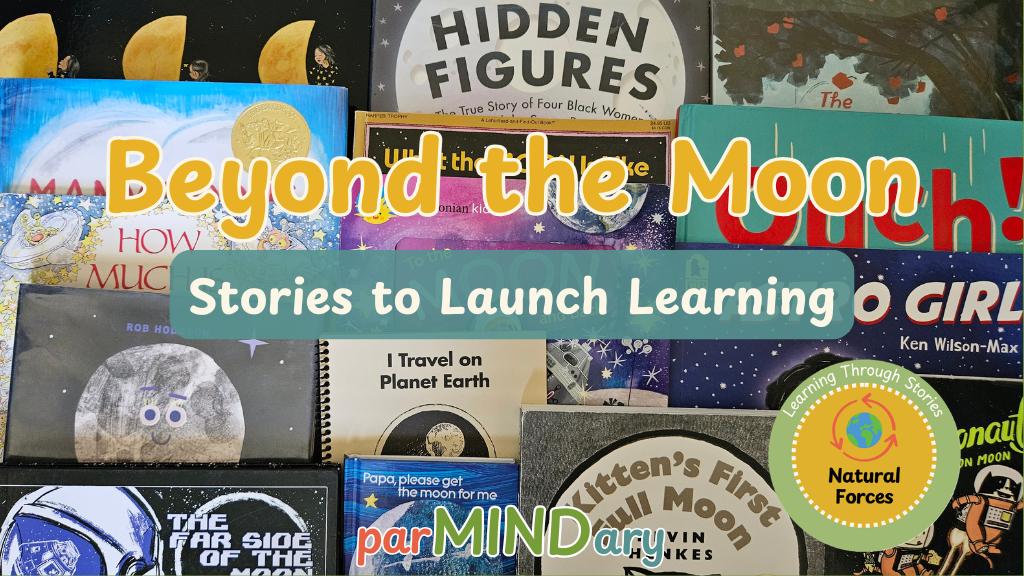
Launch into outer space for more stories that explore the night sky:
These stories remind us that early spring isn’t about sudden change—it’s about learning to notice what’s already beginning.
🌱 Children’s Stories about Noticing the First Signs of Change
At a certain point in early spring, the changes we’ve been waiting for begin to show.
Snow melts into running water. Birds return. Small movements and sounds replace the stillness of winter. What once required patience and imagination becomes something we can see, hear, and follow.
These stories highlight that turning point—when the season shifts from quiet anticipation into visible change.
At a certain point in early spring, the changes we’ve been waiting for begin to show.
Snow melts into running water. Birds return. Small movements and sounds replace the stillness of winter. What once required patience and imagination becomes something we can see, hear, and follow.
These stories highlight that turning point—when the season shifts from quiet anticipation into visible change.
Looking for stories about Seasonal Learning?
Check out our Seasons & Culture pillar page here.
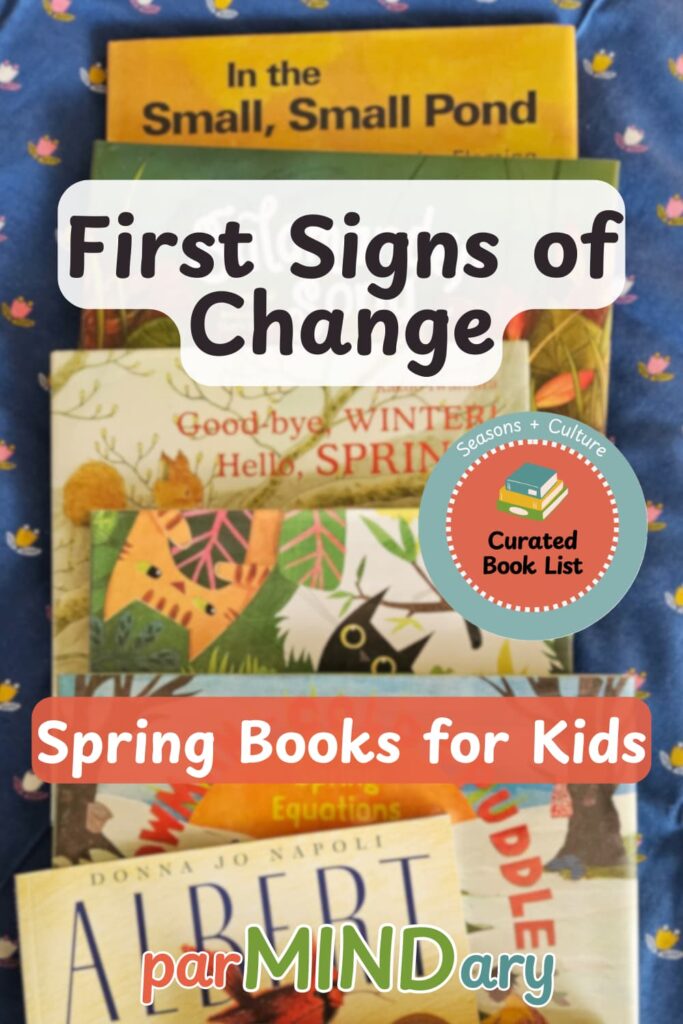
Goodbye Winter, Hello Spring – Kazuo Iwamura
A group of young squirrels explores the forest as snow begins to melt and spring slowly appears.
Why this book matters: As the squirrels move through their world, they notice small but meaningful changes—snow softening into water, streams beginning to flow, and the forest waking up again. Following their perspective helps children see how early spring unfolds step by step, through movement and discovery rather than sudden change.
Themes / patterns: seasonal transition, animal perspective, melting snow, water movement, observing gradual change
Age range: 4–8
Find Goodbye Winter, Hello Spring on Amazon
In the Small, Small Pond – Denise Fleming
A quiet pond suddenly fills with frogs, insects, and movement.
Why this book matters: What once seemed still becomes busy almost overnight. As creatures hop, splash, and buzz, children see how quickly life returns when conditions are right—and how much can be happening in one small place.
Themes / patterns: ecosystems, pond life, animal activity, sensory observation, seasonal awakening
Age range: 1–4
Find In the Small, Small Pond on Amazon
Salamander Song – Ginny Neil
Salamanders emerge on a rainy night, making their way back to the water.
Why this book matters: This story captures a fleeting early spring moment many people never notice. Following the salamanders’ journey helps children understand that some seasonal changes happen quietly—and only if you know when to look.
Themes / patterns: animal migration, amphibians, early spring rain, hidden wildlife, life cycles
Age range: 4–8
Find Salamander Song on Amazon
This Little Kitty in the Garden – Karen Obuhanych
Curious kittens playfully explore a garden just beginning to wake up.
Why this book matters: Through the kittens’ wandering, small details come into focus—sprouting plants, insects, and shifting soil. Familiar spaces start to feel new again as children see how much is changing close to home.
Themes / patterns: garden observation, early plant growth, curiosity, exploration, familiar environments
Age range: 3–7
Find This Little Kitty in the Garden on Amazon
Egg – Kevin Henkes
Four eggs sit quietly—until three hatch, and one takes a little longer.
Why this book matters: Not everything changes at the same time. As the eggs begin to hatch, children see that growth follows its own rhythm—an idea that mirrors early spring’s uneven, unfolding pace.
Themes / patterns: life cycles, patience, individuality, growth timing, new beginnings
Age range: 2–4
Find Egg on Amazon
Albert – Donna Jo Napoli
Albert prefers staying inside—until a bird builds a nest in his hand.
Why this book matters: Forced to stay still, Albert begins to notice what he had been avoiding. As he waits for the eggs to hatch, his attention shifts outward, reflecting how early spring gently draws us into the world around us.
Themes / patterns: reluctant observation, slowing down, human–nature connection, unexpected change, attention through waiting
Age range: 4–7
Find Albert on Amazon
Snowman – Cold = Puddle: Spring Equations – Laura Purdie Salas
A playful, poetic look at how winter transforms into spring.
Why this book matters: Simple “equations” make change visible: cold turns to warmth, snow to water, stillness to movement. Children can clearly see how one season becomes another through cause and effect, in this non-fiction lyrical text.
Themes / patterns: cause and effect, seasonal transformation, science concepts, melting and change, observation
Age range: 4–8
Find Snowman – Cold = Puddle: Spring Equations on Amazon
Guess How Much I Love You – Sam McBratney
Stretch, hop, and wander through a landscape beginning to feel like spring.
Why this book matters: Little Nutbrown Hare and Big Nutbrown Hare move through the natural world as they try to measure something that cannot really be measured. The open landscape and playful movement bring warmth and activity into a collection centered on the first subtle shift away from winter.
Themes / patterns: love, movement, nature, comparison, connection
Age range: 1–4
Find Guess How Much I Love You on Amazon
There Is a Bird on Your Head! – Mo Willems
Watch one surprising arrival turn into an entire nest of activity.
Why this book matters: A bird landing on Gerald’s head quickly becomes two birds, a nest, eggs, and eventually chicks. The escalating changes make a wonderfully funny counterpart to quieter spring observations: sometimes new life appears where we least expect it.
Themes / patterns: birds, nesting, eggs, change, new life
Age range: 3–6
Find There Is a Bird On Your Head! on Amazon
Have You Seen My Duckling? – Nancy Tafuri
Look closely as a mother duck searches through a pond full of spring life.
Why this book matters: A wandering duckling remains tucked into the illustrations as its mother searches among turtles, birds, fish, and other pond inhabitants. The nearly wordless journey rewards careful looking and turns the whole habitat into a place of small discoveries.
Themes / patterns: observation, pond life, searching, ducklings, habitats
Age range: 1–3
Find Have You Seen My Duckling? on Amazon
As these small changes gather and build, spring becomes easier to see—and harder to ignore. These early signs of change gradually give way to fuller growth, where spring invites us not just to notice, but to participate.
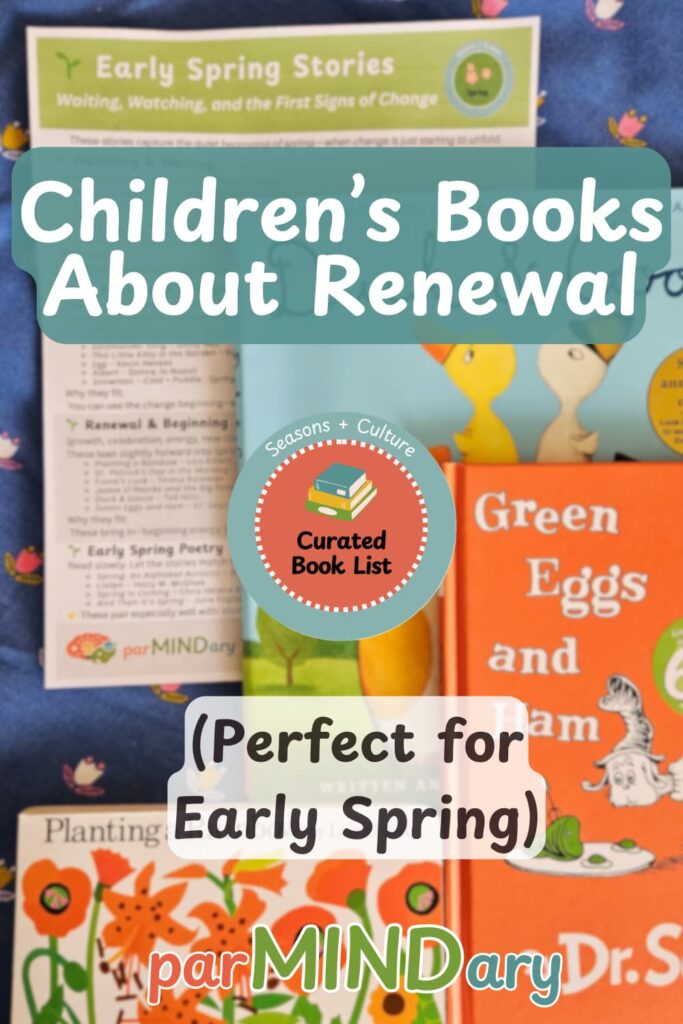
🌱 Kids’ Books about Renewal and Beginning in Springtime
As early spring unfolds, the changes around us become harder to miss. What began as small signs—melting snow, returning birds, quiet movement—now opens into growth, color, and activity.
This is the point where the season begins to invite participation.
These stories move beyond noticing into doing—planting, celebrating, exploring, and beginning again. They reflect the energy of spring as it shifts from observation into action.
Planting a Rainbow – Lois Ehlert
Bulbs, seeds, and plants come together to grow a bright, colorful garden.
Why this book matters: Instead of waiting for change, children see how it begins—with hands in the soil and small acts of care. Each page builds toward something vibrant, helping kids connect effort with the beauty that follows.
Themes / patterns: planting and growth, garden cycles, preparation and reward, color in nature, hands-on participation
Age range: 1–4
Find Planting a Rainbow on Amazon
You can also find Planting a Rainbow in our Stories That Follow a Whole Year List, which focuses on the full cycle of the seasons.
St. Patrick’s Day in the Morning
An Irish boy sets out early on St. Patrick’s Day, determined to prove he’s ready for something new.
Why this book matters: Jamie’s quiet determination mirrors the feeling of stepping into a new season. As he ventures out on his own, children see how growth often begins with a small, brave decision.
Themes / patterns: independence, proving readiness, quiet courage, seasonal traditions, growing confidence
Age range: 4–9
Find St. Patrick’s Day in the Morning on Amazon
Fiona’s Luck – Teresa Bateman
Fiona uses her wit to outsmart the leprechauns and bring luck back to Ireland.
Why this book matters: Full of humor and clever twists, Fiona’s story adds a sense of play and possibility to early spring. Her quick thinking shows that change doesn’t always come from waiting—it can come from action and creativity.
Themes / patterns: folktales, cleverness, cultural traditions, problem-solving, playful transformation
Age range: 4–7
Find Fiona’s Luck on Amazon
Jamie O’Rourke and the Big Potato an Irish Folktale – Tomie de Paola
Jamie O’Rourke stumbles into planting a potato that grows far beyond expectations.
Why this book matters: What begins as reluctance turns into abundance. This story reflects how even small beginnings—or unexpected effort—can grow into something much larger, echoing the early stages of spring planting.
Themes / patterns: planting and harvest, cause and effect, folktale humor, abundance, transformation
Age range: 2–6
Find Jamie O’Rourke and the Big Potato an Irish Folktale on Amazon
Duck & Goose – Tad Hills
Duck and Goose argue over an egg—then learn to care for it together.
Why this book matters: Centered around an egg, this story brings in one of spring’s clearest symbols of new life. Through cooperation and shifting perspectives, children see how caring for something new often brings people together.
Themes / patterns: friendship, cooperation, caring for something new, egg/life cycle symbolism, perspective
Age range: 1–4
Find Duck & Goose on Amazon
Green Eggs and Ham – Dr. Seuss
Sam-I-Am persistently encourages his friend to try something new.
Why this book matters: At its core, this story is about openness to change. As resistance turns into curiosity, children see how new experiences—like the arrival of spring—often require a willingness to say yes.
Themes / patterns: trying new things, openness, transformation of perspective, playful language, spring symbolism (green, eggs)
Age range: 2–6
Find Green Eggs & Ham on Amazon
Jack and the Beanstalk – Paul Galdone
Watch a handful of beans become the beginning of something enormous.
Why this book matters: Jack’s beans transform almost overnight, carrying him from the familiar world into an unexpected adventure. The impossible growth gives early spring’s theme of beginning a fairy-tale form: small things can become much larger than we imagined.
Themes / patterns: growth, beginnings, transformation, adventure, possibility
Age range: 4–7
Find Jack and the Beanstalk on Amazon
What Do You Do With an Idea? – Kobi Yamada
Give a small idea enough room to grow.
Why this book matters: An idea begins as something uncertain and easily dismissed, but attention and confidence allow it to become increasingly present and powerful. Its gradual transformation mirrors the pattern of renewal itself—something small appears, is nurtured, and eventually changes the world around it.
Themes / patterns: ideas, growth, possibility, persistence, transformation
Age range: 4–8
Find What Do You Do With an Idea? on Amazon
Each of these stories shows what it means to begin again—through action, celebration, or simply being willing to try something new. These stories show that spring isn’t just something we observe—it’s something we step into, in many different ways.
🌱 Early Spring Themed Poetry for Children
Poetry offers a quieter way to notice the season.
In early spring, change often happens in small, easily missed moments—the shift in light, the sound of returning birds, the first movement in the soil. These poems slow us down and help us pay attention to those details.
Reading poetry alongside seasonal observation creates space to linger, listen, and notice what might otherwise pass us by.
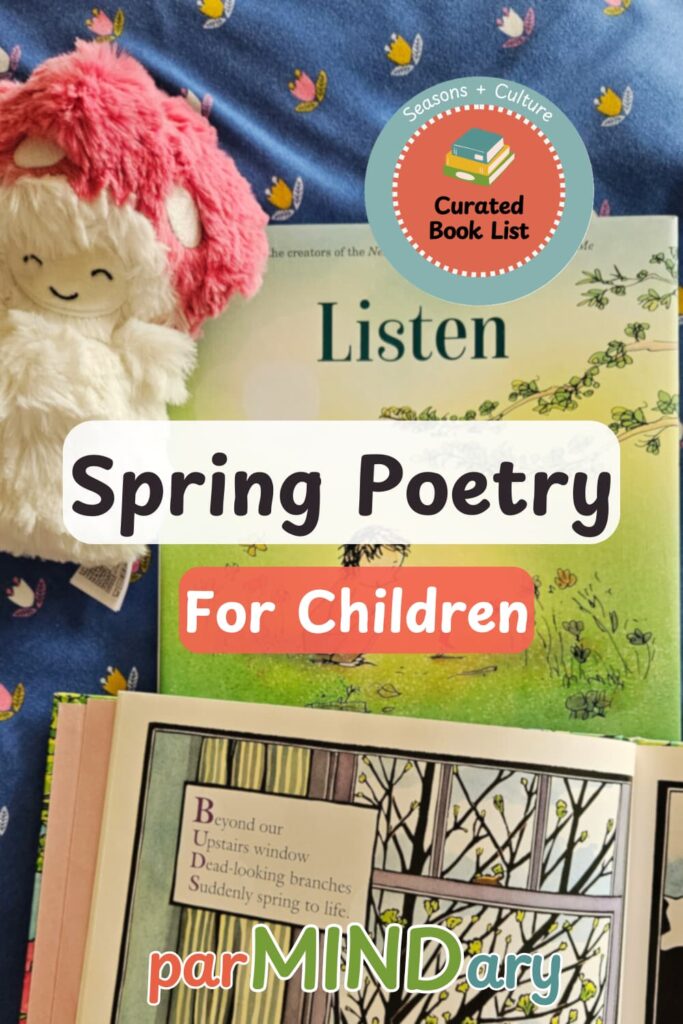
Spring: An Alphabet Acrostic – Steven Schnur
An A-to-Z collection of spring poems, each highlighting a different part of the season.
Why this book matters: From April to Zenith, each letter draws attention to a small piece of spring. Moving through the alphabet helps children slow down and notice how many different changes are happening all at once.
Themes / patterns: spring vocabulary, nature observation, categorizing change, language patterns, seasonal details
Age range: 6–9
Find Spring: An Alphabet Acrostic on Amazon
Listen – Holly M. McGhee
A gentle invitation to slow down and listen to the world more closely.
Why this book matters: Rather than pointing to obvious signs of spring, this book turns attention inward—toward quiet moments, sounds, and feelings. It pairs beautifully with early spring, when noticing often begins with simply being still.
Themes / patterns: mindfulness, listening, quiet observation, emotional awareness, attention
Age range: 4–7
Find Listen on Amazon
Spring Is Coming – Chris Helene Bridge
Animals wait and watch as the first signs of spring begin to appear.
Why this book matters: As the animals look for change, children follow their anticipation—learning that spring doesn’t arrive all at once. The rhythm of waiting and noticing mirrors the slow unfolding of the season.
Themes / patterns: anticipation, animal awareness, seasonal change, waiting and watching, pattern recognition
Age range: 2–6
Find Spring is Coming on Amazon
And Then It’s Spring – Julie Fogliano
A child waits as a brown landscape slowly, almost invisibly, turns green.
Why this book matters: The shift from brown to green happens so gradually it’s almost missed. This story helps children understand that transformation often happens quietly, over time—just like early spring itself.
Themes / patterns: gradual change, patience, color transition, growth, seasonal awareness
Age range: 2–6
Find And Then It’s Spring on Amazon
These poems pair especially well with quiet read-aloud moments, observation pages, and time spent simply noticing the changing season.
🌱 Seasonal Observation Ideas for the Beginning of Spring
Early spring is a season of noticing small changes. The landscape may still look quiet at first glance, but new movement is beginning—if we take the time to look closely.
Pairing seasonal stories with simple outdoor observations helps children see how these changes unfold in real time.
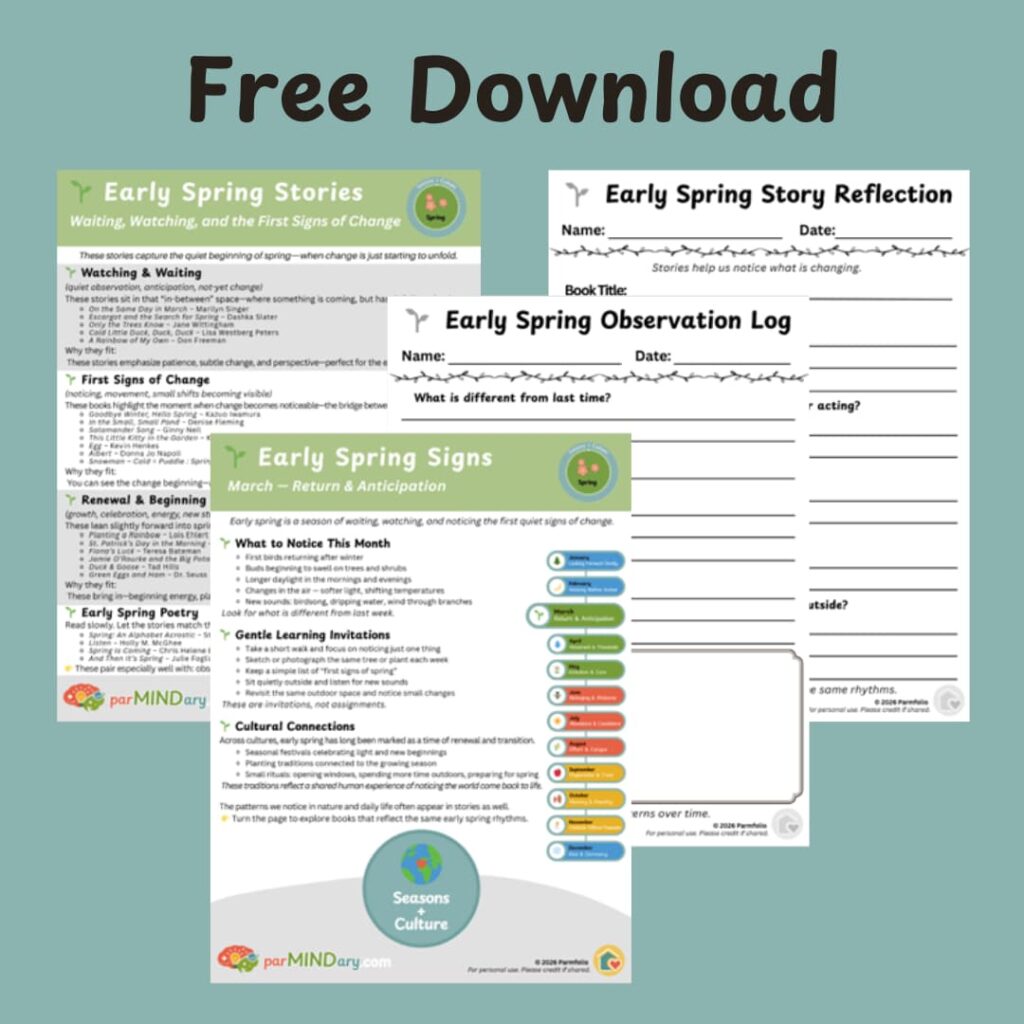
Visit the parMINDary Free Resource Library:
To download the Early Spring Observation + Story Guide
A nature journal or seasonal calendar can be a gentle way to record what you notice together.
You might try:
• Watch for the first signs of returning life.
Look for buds forming on branches, early flowers pushing through the soil, or the first insects appearing.
• Listen for changes in sound.
Birdsong often increases in early spring. Notice when you begin to hear new or more frequent calls.
• Look for movement in water.
Melting snow and spring rain create puddles, streams, and flowing water. Watch how water moves and changes the landscape.
• Notice how the light is changing.
Pay attention to how the days are getting longer. When does it stay light later into the evening?
• Observe a familiar place over time.
Visit the same tree, garden, or outdoor space each week and notice what changes.
Over time, children begin to see that the seasons are not separate events, but a continuous unfolding of change.
Seasonal noticing is at the heart of our seasonal learning approach.
You can continue the season with our companion reflection post:
🌱 March — Return & Anticipation
Watching Early Spring: First Signs of Change
🌱 Related Seasonal Posts
Explore more seasonal learning ideas on our Seasons & Culture pillar page.
Or follow how we learn to notice the seasonal cycle here:
Watching the Year
🌎 Watching the Year: Homeschooling Through the Seasons
🌲 Watching Midwinter: Renewal and Anticipation
🌙 Watching Late Winter: Staying Indoors and Keeping Warm
🌱 Watching Early Spring: Waiting for the First Signs of Change
💧 Watching Mid-Spring: When Motion Replaces Waiting
🌼 Watching Late Spring: Marking Time Together
🐝 Watching Early Summer: Long Days and Open Possibility
☀️ Watching High Summer: Stillness Inside Abundance
🌾 Watching Late Summer: Holding and Letting Go
🍎 Watching Early Autumn: Preparing for the First Signs of Fall
🍂 Watching Mid-Autumn: The Work of Letting Go
🕯️ Watching Late Autumn: Quiet Before Winter
❄️ Watching Early Winter: Light, Memory, and Celebration
Curated Seasonal Book Lists
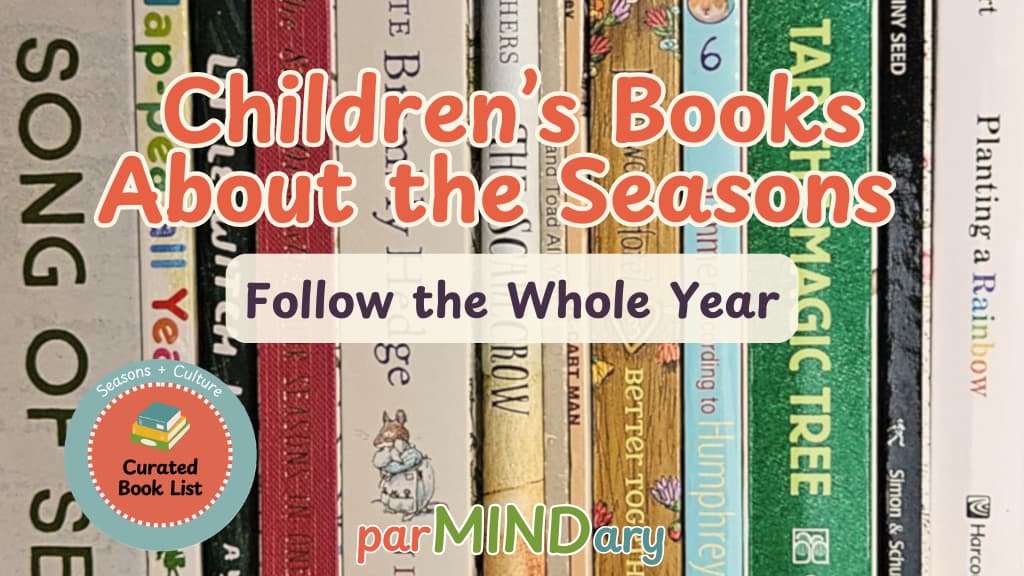
🌎 Stories That Follow the Whole Year
🌲 Quiet Deep Winter Stories for Children
🌙 Late Winter & Waiting Stories
🌱 Early Spring Stories for Children
💧 Spring Migration & Movement Stories
🌼 Spring Festivals & May Tradition Stories
🐝 Early Summer Stories for Children
☀️ High Summer Nature & Pollinator Stories
🌾 Late Summer Effort & Harvest Stories
🍎 Migration & Autumn Arrival Stories
🍂 Autumn Harvest & Celebration Stories
🕯️ Gratitude & Community Stories
❄️ Winter Light & Celebration Stories
In early spring especially, the same stories often reveal new details each time we return to them—just like the season itself.
Note: Whether you borrow books from the library, purchase them, or share them with friends, the goal is the same: finding stories worth returning to. We visit our local library every week and add a few favorites to our home library throughout the year.
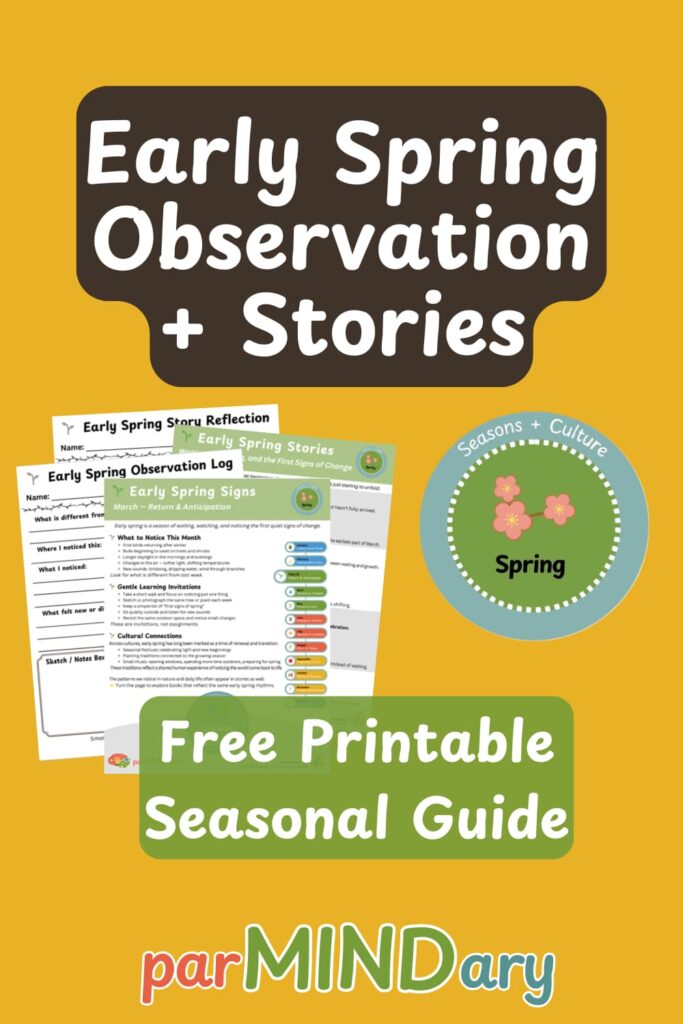
Download the Seasonal Observation + Story Guides from our Free Resource Library.