
🌱 March — Return & Anticipation
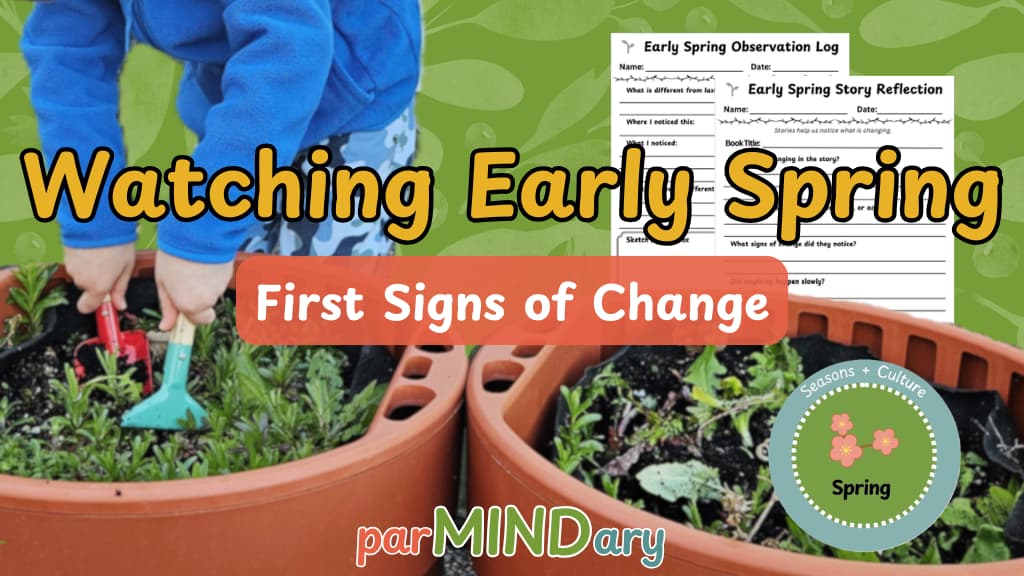
Early spring does not arrive all at once.
In March, the shift between seasons is quiet and uneven. Some days still feel like winter—cold air, bare trees, gray skies. And then, almost without warning, something changes. A bird call returns. A branch softens with swelling buds. The light lingers just a little longer in the evening.
These early signs are easy to miss.
Stories about this time of year often don’t begin with blooming flowers or bright green landscapes. Instead, they live in this in-between space—where something is happening, but not yet fully seen.
Early spring is a season of waiting, watching, and learning how to notice.
In Simple Terms:
March is a season of beginning. Spring has not fully arrived, but small changes are starting to appear. We begin to notice the first signs of the season, often quietly and gradually.
At a Glance: Return & Anticipation
- First signs of change (buds, birds, shifting light)
- In-between conditions (winter and spring overlapping)
- Subtle movement (gradual, easy to miss)
- Waiting and watching (attention before action)
- Change as a process (beginning, not yet complete)
Why this matters:
March invites a slower kind of attention. The changes are small, but they build over time. By noticing what is just beginning, children begin to see that seasons do not change all at once—they unfold gradually, often before they are fully visible.
🌱 March in the Seasonal Cycle: Return & Anticipation
March often lives in the space between seasons.
Winter has not fully left, and spring has not fully arrived. Instead, this month holds both at once—cold mornings and warmer afternoons, bare branches alongside the first hints of growth.
This overlap creates a unique rhythm. It is not a time of obvious transformation, but of subtle beginnings.
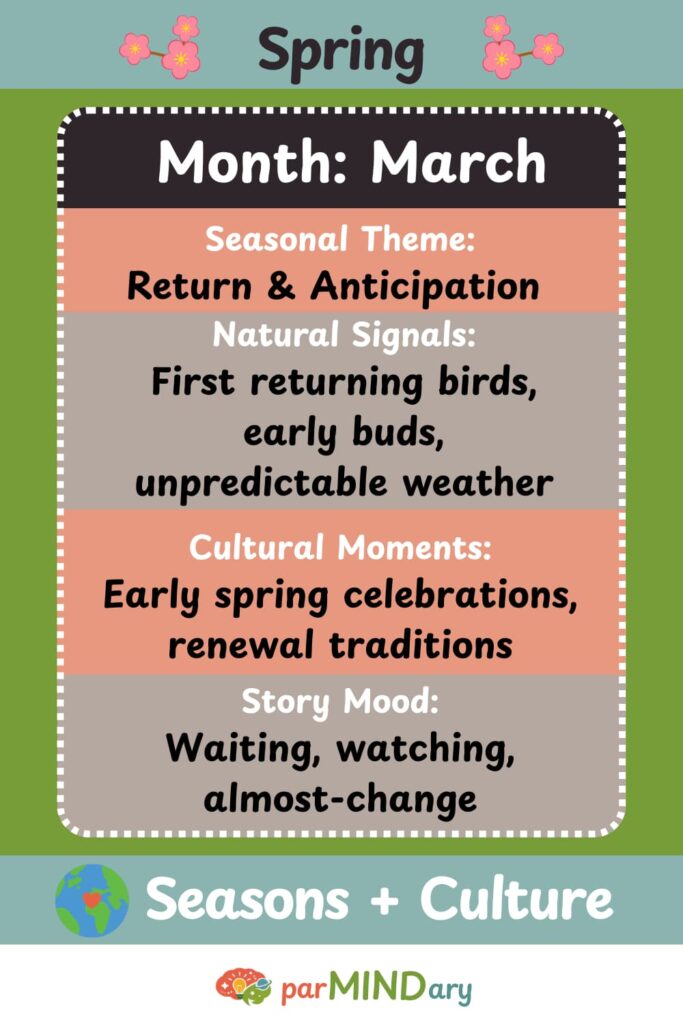
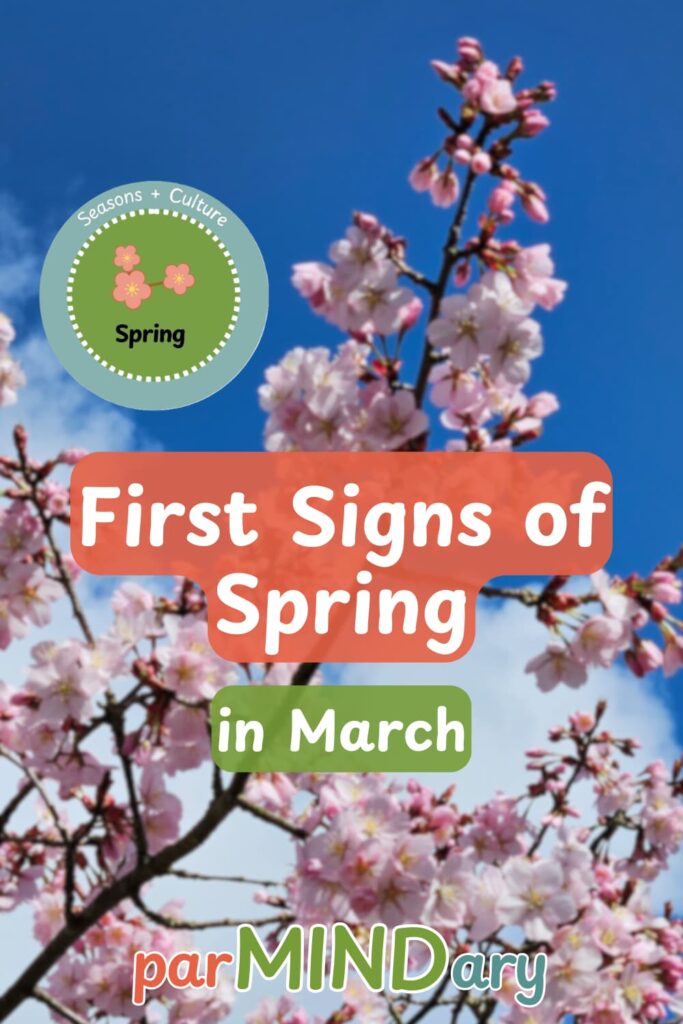
🌱 Early Spring Signs: What We Begin to Notice in March
Early spring is easy to overlook if we are only looking for obvious change.
Unlike late spring—where flowers bloom and landscapes shift quickly—March asks for a slower kind of attention. The signs are small, and they appear gradually.
You might notice:
- buds beginning to swell before any leaves appear
- birds returning, even if the trees are still bare
- the ground softening after winter frost
- longer stretches of daylight, even when the weather remains cold
These changes don’t announce themselves. They accumulate quietly.
This is part of what makes early spring meaningful.
It invites us to notice process instead of outcome—to pay attention not just to what has changed, but to what is beginning to change.
Many stories set in early spring reflect this same rhythm. They linger in moments of waiting. They follow characters who are watching for something—often unsure of when or how it will arrive.
🌱 Stories That Capture the Feeling of Early Spring
Early spring stories often hold a sense of anticipation.
Rather than focusing on full growth or abundance, they center on what is just beginning—small shifts, quiet discoveries, and the feeling that something is about to happen.
Some stories follow animals emerging from winter rest. Others focus on children or families noticing the first signs of the changing season. Many stay close to the natural world, reflecting the same slow unfolding we see outdoors.
A few examples you might explore:
- Goodbye Winter, Hello Spring — gentle noticing of seasonal change
- Only the Trees Know — quiet awareness of hidden transformation
- St. Patrick’s Day in the Morning — early spring atmosphere with a sense of purpose and movement
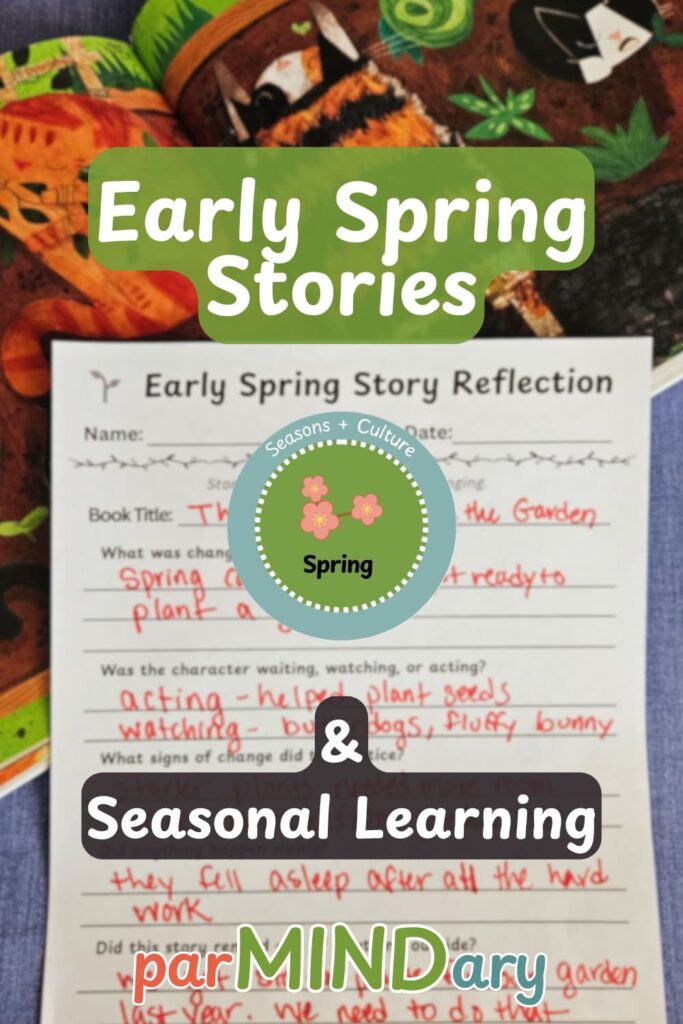
Disclosure: This post contains affiliate links. As an Amazon Associate, I earn from qualifying purchases at no additional cost to you.

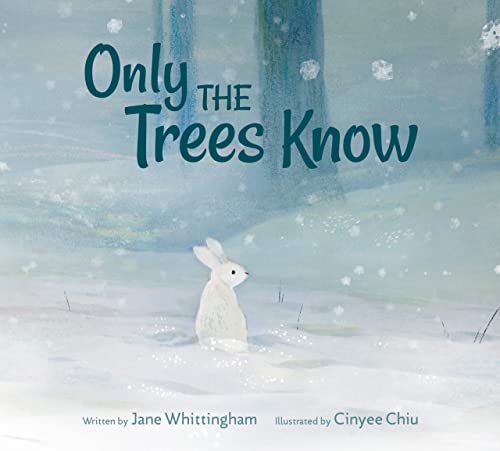

These stories don’t rush forward. They pause, observe, and allow change to unfold.
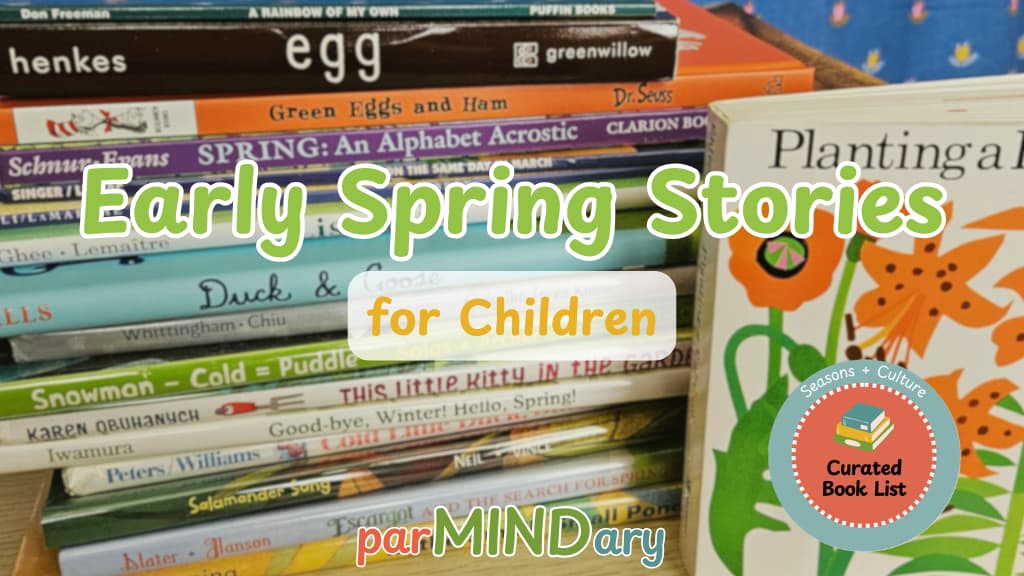
→ If you’d like more ideas, explore the companion curated book list for our full collection of Early Spring Stories for Children.
🌱 Early Spring Nature Observations for March
Early spring observation is less about finding something dramatic, and more about noticing what is different from last week.
You might begin with:
- Watching for the first birds returning to your area after winter
- Looking closely at tree branches to see if buds are swelling or changing color
- Noticing how daylight shifts—sunset coming later, mornings arriving earlier
- Listening for new sounds: dripping water, birdsong, wind moving differently through branches
- Observing the ground—softening soil, early shoots, or patches of green
You don’t need to find everything at once.
Even noticing one small change—something you didn’t see before—is enough.
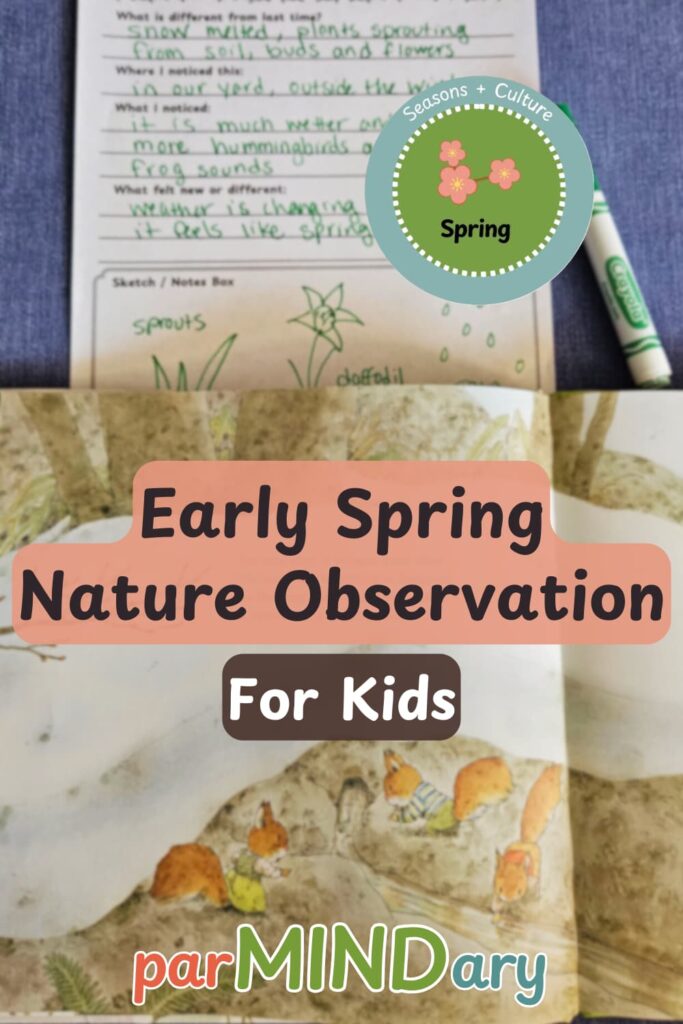
Over time, these small observations begin to form a pattern. Children start to recognize that seasons don’t change suddenly—they unfold.
→ Visit the parMINDary Free Resource Library:
To download the Early Spring Observation + Story Guide
🌱 Simple Early Spring Activities for March
These invitations are meant to support noticing, not to direct it.
- Take a short walk and choose one thing to pay attention to (a tree, a patch of ground, the sky)
- Sketch or photograph the same plant or tree each week to observe gradual change
- Keep a simple “first signs of spring” list—first bird, first bud, first warm afternoon
- Sit outside for a few minutes and listen without talking—what sounds are new this week?
- Visit the same outdoor space multiple times this month and notice what shifts
The goal isn’t to complete an activity.
It’s to create space for attention—to return to the same place or idea and see it differently over time.
🌱 Early Spring Traditions and Celebrations
Across cultures, early spring has long been recognized as a time of transition.
Even before scientific understanding of seasonal cycles, people paid close attention to the returning light, shifting weather, and signs of new growth. These observations shaped traditions that mark this time of year.
Some examples include:
- seasonal festivals celebrating renewal and light
- planting traditions tied to the beginning of the growing season
- holidays that reflect themes of hope, preparation, or new beginnings
These traditions often emerge from the same experience we have today—watching the world begin to change again after winter.
Even small, everyday rituals can echo this:
- opening windows on warmer days
- spending more time outdoors
- starting seeds or planning a garden
- noticing the return of familiar seasonal foods
These practices connect us to a long history of people observing, responding to, and celebrating the rhythms of the natural world.
🌱 How March Leads Into the Rest of Spring
As March continues, the quiet signals of early spring begin to gather momentum.
What starts as subtle change—longer days, small buds, returning birds—gradually becomes more visible. Growth accelerates. Movement increases. The landscape begins to shift more quickly.
April often marks a threshold.
Rainfall deepens, plant life expands, and the feeling of the season changes from anticipation to motion.
Where March asks us to watch and wait, April invites us to follow the unfolding.
The Year Through Stories: Our Seasonal Learning Cycle
🌲 January — Looking Forward Gently
🌙 February — Noticing Before Action
🌱 March — Return & Anticipation
💧 April — Movement & Thresholds
🌼 May — Invitation & Care
🐝 June — Belonging & Welcome
☀️ July — Abundance & Coexistence
🌾 August — Effort & Fatigue
🍎 September — Preparation & Trust
🍂 October — Memory & Meaning
🕯️ November — Gratitude Without Possession
❄️ December — Rest & Dormancy
Related Seasonal Posts
→ Explore the companion curated book list for March:
Early Spring Stories for Children
→ Visit the parMINDary Free Resource Library:
To download the Early Spring Observation + Story Guide
→ Continue reading Year 1: Watching the Year Here:
💧 April — Movement & Thresholds
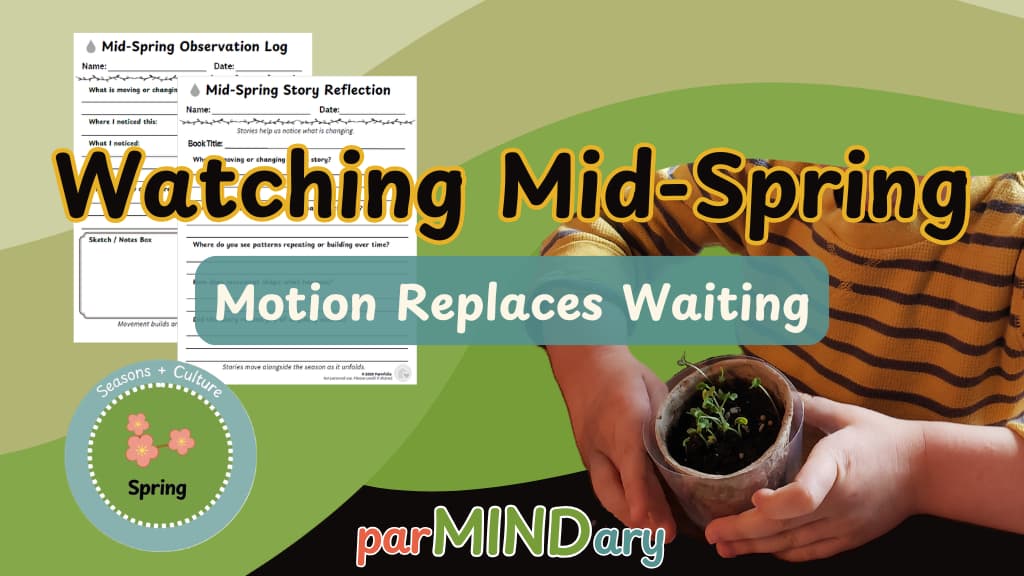
Watching Mid-Spring: When Motion Replaces Waiting
Explore more seasonal learning ideas on our Seasons & Culture pillar page.
Or follow how we learn to notice the seasonal cycle here:
Watching the Year
🌎 Watching the Year: Homeschooling Through the Seasons
🌲 Watching Midwinter: Renewal and Anticipation
🌙 Watching Late Winter: Staying Indoors and Keeping Warm
🌱 Watching Early Spring: Waiting for the First Signs of Change
💧 Watching Mid-Spring: When Motion Replaces Waiting
🌼 Watching Late Spring: Marking Time Together
🐝 Watching Early Summer: Long Days and Open Possibility
☀️ Watching High Summer: Stillness Inside Abundance
🌾 Watching Late Summer: Holding and Letting Go
🍎 Watching Early Autumn: Preparing for the First Signs of Fall
🍂 Watching Mid-Autumn: The Work of Letting Go
🕯️ Watching Late Autumn: Quiet Before Winter
❄️ Watching Early Winter: Light, Memory, and Celebration
Curated Seasonal Book Lists
🌎 Stories That Follow the Whole Year
🌲 Quiet Deep Winter Stories for Children
🌙 Late Winter & Waiting Stories
🌱 Early Spring Stories for Children
💧 Spring Migration & Movement Stories
🌼 Spring Festivals & May Tradition Stories
🐝 Early Summer Stories for Children
☀️ High Summer Nature & Pollinator Stories
🌾 Late Summer Effort & Harvest Stories
🍎 Migration & Autumn Arrival Stories
🍂 Autumn Harvest & Celebration Stories
🕯️ Gratitude & Community Stories
❄️ Winter Light & Celebration Stories
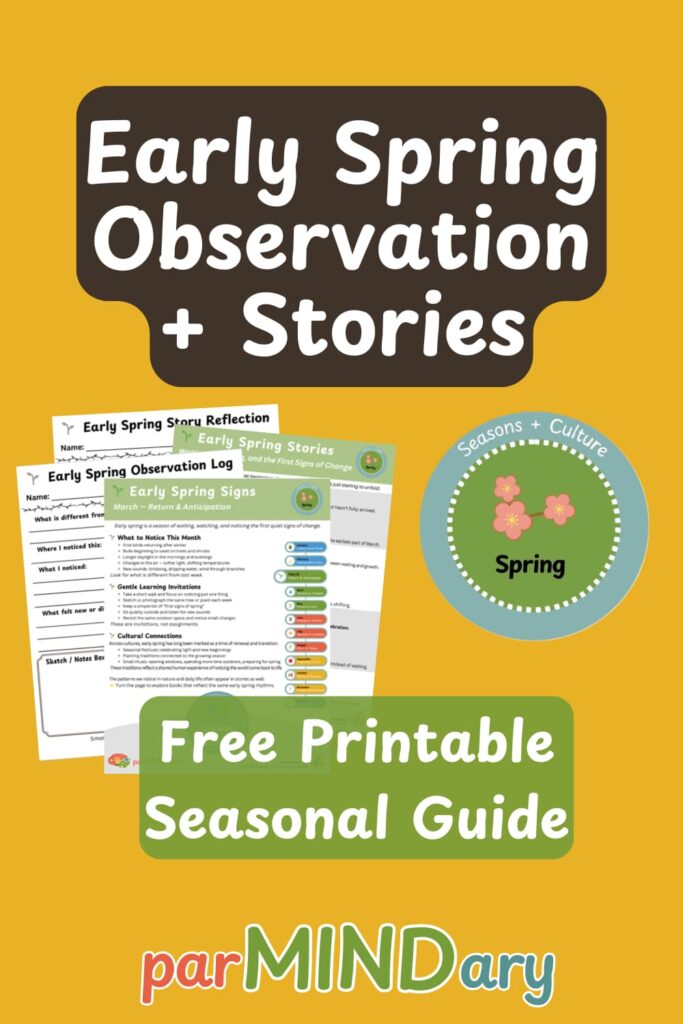
Download the Seasonal Observation + Story Guides from our Free Resource Library.