
A Curated Book List
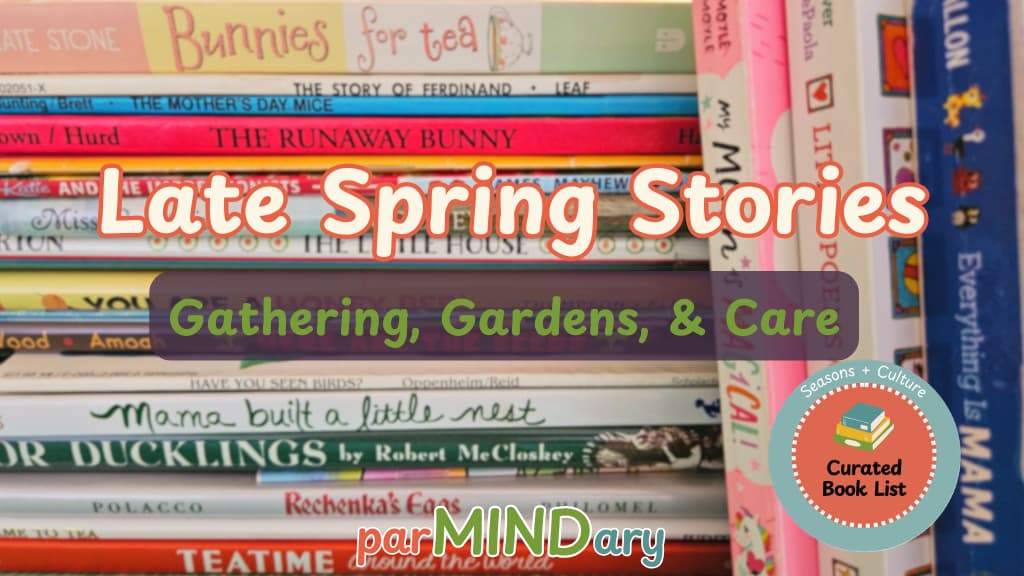
Looking for spring celebration stories for children? This curated collection of 30 picture books explores late spring through themes of hospitality, gardens, pollinators, family traditions, flowers, birds, and seasonal celebrations. These gentle read-alouds connect nature, culture, and seasonal rhythms through stories of care, beauty, and gathering together.
In Simple Terms:
May is a season of invitation and care. Late spring welcomes festivals, care for living things, appreciation of beauty, and family time. These stories explore the feeling of late spring through gardens, celebrations, nests, flowers, pollinators, family traditions, and acts of care.
At a Glance: Spring Festivals & Traditions
- Tea parties and shared meals
- Spring festivals and cultural traditions
- Gardens, flowers, birds, and pollinators
- Family stories and seasonal rhythms
- Beauty, hospitality, and caring for living things
Why this matters:
Late spring is a season of participation. Instead of simply noticing change, we begin to take part in it — planting seeds, gathering with others, preparing spaces for living things, and celebrating seasonal traditions together. Stories help children connect these experiences into meaningful patterns of the year.
Explore Seasonal Books
Looking for stories tied to a specific season?
You may also enjoy our quick visual guides:
• Spring Books for Children
• Summer Nature Stories
• Autumn & Harvest Picture Books
• Winter Read-Aloud Stories
• Books About the Seasons
🌼 Reading During Late Spring
May feels different from early spring.
Instead of waiting and watching, May often becomes a season of gathering, tending, celebrating, and sharing. Gardens fill in. Birds build nests. Flowers open. Families come together for holidays and festivals. Tables are set. Seeds are planted. Spring begins to feel lived in.
Stories for May often carry this feeling of invitation and care — welcoming others, noticing beauty, tending living things, and marking the season together.
Disclosure: This post contains affiliate links. As an Amazon Associate, I earn from qualifying purchases at no additional cost to you.
🌼 Gathering, Hospitality & Shared Traditions
By May, spring no longer feels quiet or distant.
The season begins drawing people together. Tables are shared. Festivals arrive. Gardens open. Children bring flowers to school, families celebrate holidays, and meals stretch into longer afternoons filled with conversation and sunlight.
These stories explore hospitality, spring traditions, and the ways people mark seasonal time together across homes, cultures, and communities.
Themes in this Section:
afternoon tea · celebration · tradition · culture · hospitality
✦
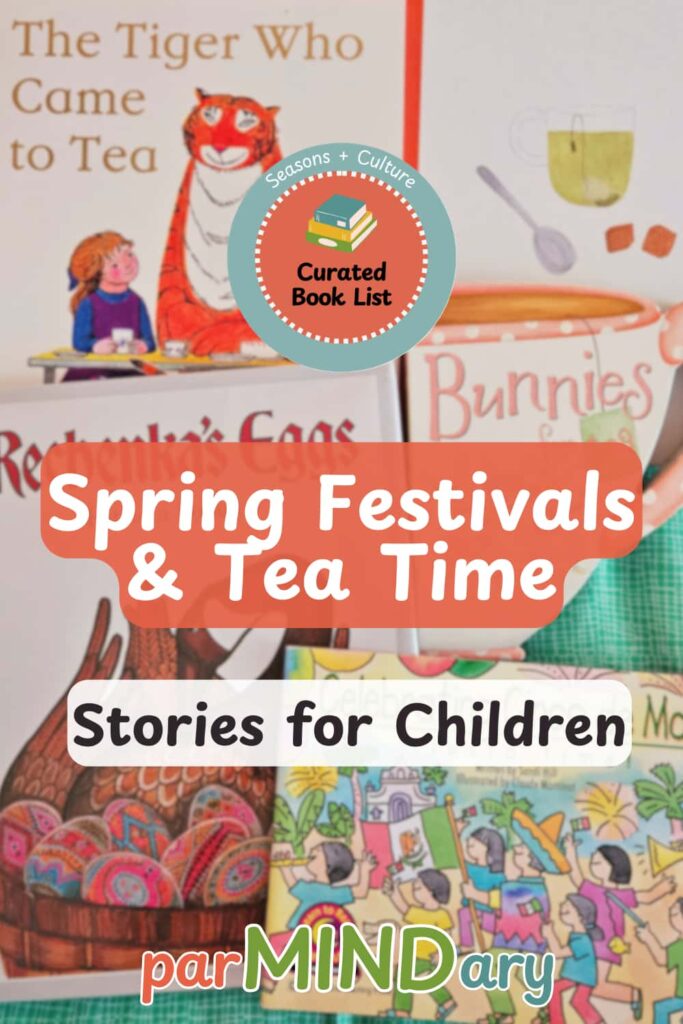
The Tiger Who Came to Tea – Judith Kerr
Tea disappears plate by plate as an unexpected visitor turns an ordinary afternoon into something memorable and delightfully chaotic.
Why this book matters: Shared meals, unexpected interruption, and playful hospitality transform an everyday routine into a story of welcome and shared space. The overflowing food and cheerful chaos capture the feeling of abundance often associated with late spring gatherings.
Themes / patterns: hospitality, shared meals, surprise visitors, abundance, imagination, family routines, celebration
Age range: 2–5
Find The Tiger Who Came to Tea on Amazon
Teatime Around the World – Denyse Waissbluth
Warm drinks, small treats, and familiar rituals unfold differently from place to place while still carrying the same feeling of togetherness.
Why this book matters: Cups of tea, tables, and conversation begin to form a pattern across cultures and traditions. Many shared traditions grow from repeated acts of gathering, sharing food, and making time for one another.
Themes / patterns: cultural traditions, hospitality, shared rituals, food traditions, global perspectives, daily life
Age range: 3–7
Find Teatime Around the World on Amazon
Bunnies for Tea – Kate Stone
Tiny rabbits share tea around a table filled with soft colors, simple foods, and gentle springtime warmth.
Why this book matters: Small shared routines become part of the atmosphere of late spring. Tea tables, familiar foods, and quiet togetherness reflect the softer rhythms often associated with spring traditions.
Themes / patterns: gentleness, family routines, shared meals, rabbits, comfort
Age range: 1–3
Find Bunnies for Tea on Amazon
Rechenka’s Eggs – Patricia Polacco
Painted eggs, winter light, and careful hands move slowly toward spring celebration and renewal.
Why this book matters: Traditional crafts, storytelling, and rituals unfold through patience and care. The intricate eggs become part of a larger pattern of cultural memory, hospitality, and preparing beauty for others to share.
Themes / patterns: spring traditions, folk art, renewal, hospitality, cultural memory, celebration, care
Age range: 3–9
Find Rechenka’s Eggs on Amazon
Celebrating Cinco de Mayo Fiesta Time! – Sandi Hill
Music, food, dancing, and bright decorations fill the season with movement and celebration.
Why this book matters: Festivals bring people together through repeated seasonal traditions tied to food, music, and community. Celebration becomes something participatory and shared rather than simply observed from a distance.
Themes / patterns: festivals, community celebration, cultural traditions, music, food, seasonal rhythms
Age range: 4–8
Find Celebrating Cinco de Mayo Fiesta Time! on Amazon
The Rainbow Tulip – Pat Mora
Bright handmade costumes and spring festival preparations slowly build toward a long-awaited school celebration.
Why this book matters: Late spring traditions often become part of childhood memory through preparation, participation, and shared excitement. Handmade beauty, flowers, and community celebration connect seasonal change with belonging and cultural identity.
Themes / patterns: school traditions, spring festivals, flowers, belonging, cultural identity, celebration, memory
Age range: 5–8
Find The Rainbow Tulip on Amazon
The First Day of May – Henrique Coser Moreira
Flower crowns, dancing figures, and shifting spring landscapes unfold quietly across wordless pages.
Why this book matters: Traditions are communicated through image, movement, and atmosphere rather than explanation. Processions, flowers, and outdoor celebrations begin to show how people have historically marked the arrival of late spring together.
Themes / patterns: May Day, spring festivals, seasonal rituals, flowers, processions, visual storytelling, community traditions
Age range: 4–8
Find The First Day of May on Amazon
Three – Stephen Michael King
Make room at the table as an unexpected little family comes together.
Why this book matters: Three finds companionship and belonging through an encounter that gradually grows into something shared. Its warmth fits a season of gathering and hospitality, when making room for others can create new traditions and connections.
Themes / patterns: belonging, hospitality, friendship, family, gathering
Age range: 4–8
Find Three on Amazon
As spring celebrations unfold around us, the natural world is also becoming busier. Birds gather nesting materials, insects move between flowers, and gardens begin to fill with color and sound.
🌼 Gardens, Nests & Caring for Living Things
Late spring is filled with activity.
Birds build nests, pollinators move between flowers, seeds begin to sprout, and gardens slowly transform into living ecosystems. The season invites us to notice visual richness and connection — how plants, insects, animals, and people all respond to the same changing conditions.
These stories help children observe the busy interconnectedness of late spring through gardens, birds, flowers, pollinators, and small acts of care.
Themes in this Section:
nests · pollinators · seeds · butterflies · ecosystems
✦
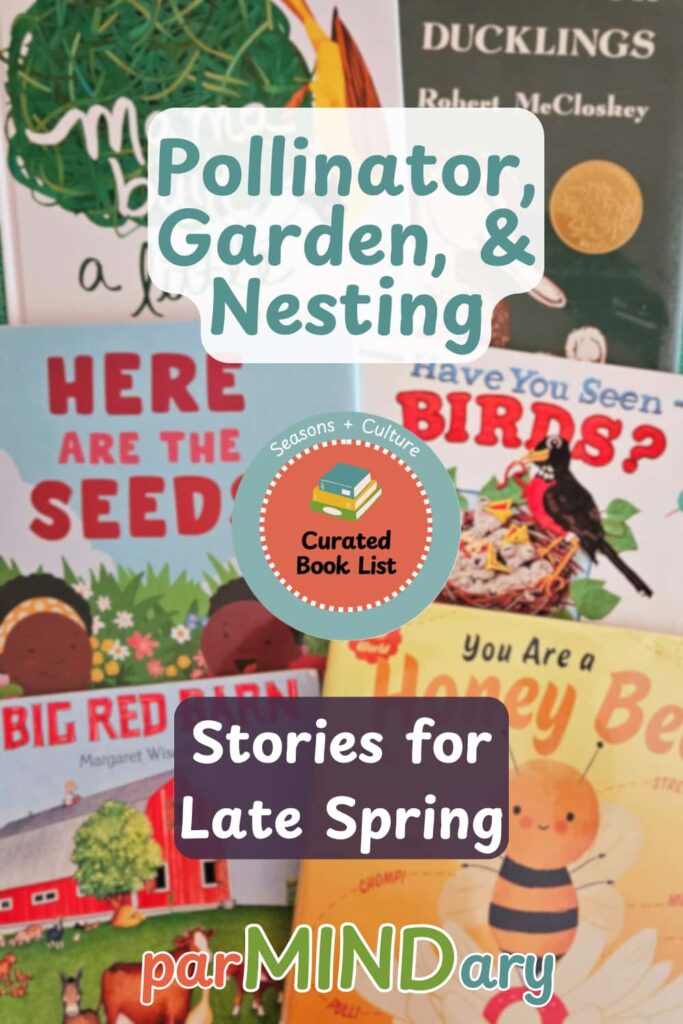
Mama Built a Little Nest – Jennifer Ward
Twigs, feathers, grass, and mud slowly gather together as birds prepare safe places for new life.
Why this book matters: Nest-building turns late spring into a season of preparation and care. Different birds shape homes in different ways, yet each one responds to the same seasonal movement toward shelter, protection, and renewal.
Themes / patterns: birds, nests, caregiving, spring rhythms, animal behavior, habitats, seasonal change
Age range: 4–7
Find Mama Built a Little Nest on Amazon
Make Way for Ducklings – Robert McCloskey
Busy streets, waddling ducklings, and watchful parents transform the city into an unexpected nesting ground.
Why this book matters: Movement through shared spaces becomes part of spring survival and caregiving. The story follows how animals adapt, protect their young, and move through environments shaped by both nature and people.
Themes / patterns: migration, caregiving, city wildlife, animal families, movement, protection, shared spaces
Age range: 3–8
Find Make Way for Ducklings on Amazon
Have You Seen Birds? – Joanne Oppenheim
Birdsong drifts through trees and skies as children begin noticing movement overhead and all around them.
Why this book matters: Birds become easier to observe during late spring as nests fill, songs increase, and daily activity expands. Attention slowly shifts from simply spotting birds to noticing behaviors, patterns, and spring rhythms.
Themes / patterns: bird observation, movement, spring activity, noticing, natural rhythms, outdoor exploration, sound
Age range: 3–7
Find Have You Seen Birds? on Amazon
Here Are the Seeds – JaNay Brown-Wood
Small hands press seeds into soil while gardens slowly promise future color, food, and growth.
Why this book matters: Planting becomes an act of participation in the season itself. Seeds, soil, sunlight, and time begin forming visible connections between care, patience, and transformation.
Themes / patterns: gardening, planting, growth, patience, seasonal cycles, participation, care
Age range: 3–7
Find Here Are the Seeds on Amazon
You Are a Honey Bee! – Laurie Ann Thompson
Buzzing wings move quickly between flowers as pollen travels quietly through the spring landscape.
Why this book matters: Pollination begins to reveal the interconnectedness of late spring ecosystems. Flowers, insects, gardens, and food production all become linked through constant movement and exchange.
Themes / patterns: pollinators, bees, flowers, ecosystems, interdependence, movement, gardens
Age range: 2–5
Find You Are a Honey Bee! on Amazon
Flowers Are Calling – Rita Gray
Bright blossoms invite bees, butterflies, and hummingbirds into an active world filled with color and motion.
Why this book matters: Flowers and pollinators respond to one another through attraction, timing, and relationships. Gardens become places of color, movement, interaction, and ecological connection.
Themes / patterns: flowers, pollinators, ecosystems, attraction, relationships, hummingbirds, butterflies
Age range: 4–7
Find Flowers Are Calling on Amazon
A Place for Butterflies – Melissa Stewart
Butterflies drift through gardens and wild spaces that have been carefully protected and prepared for them.
Why this book matters: Habitats do not appear accidentally. Native plants, shelter, and protected spaces begin to show how people can participate in supporting pollinators and ecosystems over time.
Themes / patterns: butterflies, conservation, habitats, stewardship, pollinators, native plants, environmental care
Age range: 7–11
Find A Place for Butterflies on Amazon
Big Red Barn – Margaret Wise Brown
Morning light spreads slowly across fields, animals, and barns filled with the quiet routines of farm life.
Why this book matters: Daily care rhythms connect animals, people, weather, and growth into one shared environment. The steady repetition of feeding, resting, and tending creates a strong sense of late spring abundance and continuity.
Themes / patterns: farm life, routines, animal care, spring rhythms, abundance, weather, daily life
Age range: 1–5
Find Big Red Barn on Amazon
As gardens grow and the season fills in, late spring also becomes a time for memory, beauty, and creating places where people and living things can belong.
🌼 Beauty, Memory & Making a Place in the World
Some late spring stories carry a quieter feeling.
Flowers bloom, homes change over time, gardens transform empty spaces, and small acts of care begin to shape the world around us. These books explore memory, belonging, creativity, and the gentle ways people leave care behind for others.
Themes in this Section:
beauty · transformation · belonging · gardens · memory
✦
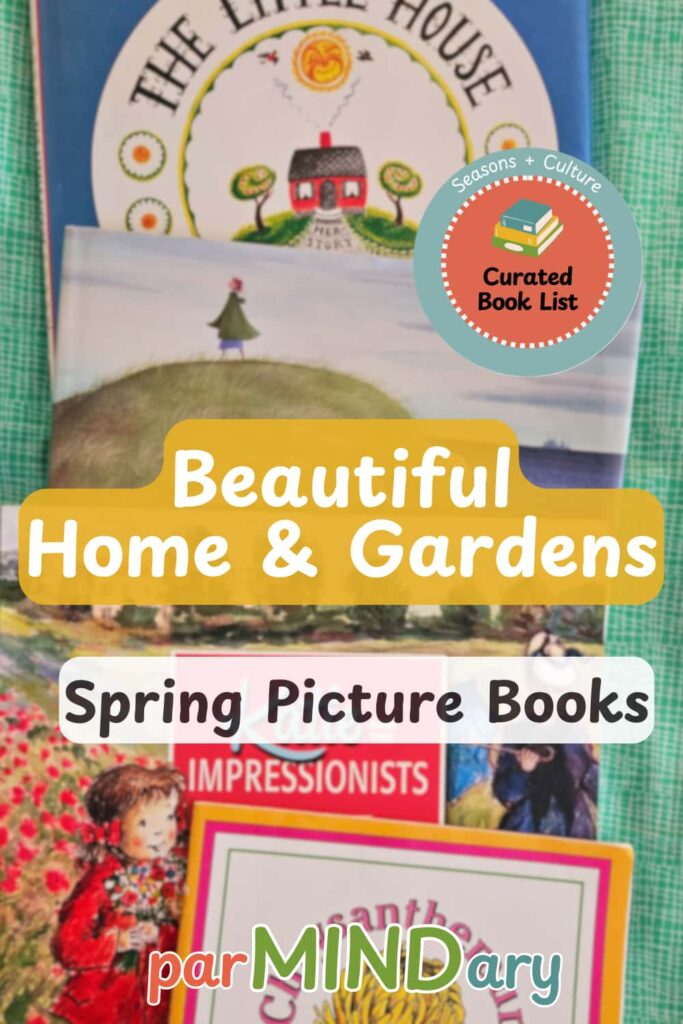
Miss Rumphius – Barbara Cooney
Lupine flowers slowly spread across hillsides as one woman searches for a way to make the world more beautiful.
Why this book matters: Beauty becomes something shared rather than possessed. Flowers, travel, memory, and place begin forming a pattern of quiet contribution that lingers long after the story ends.
Themes / patterns: flowers, beauty, legacy, belonging, memory, gardens, quiet
Age range: 3–8
Find Miss Rumphius on Amazon
The Little House – Virginia Lee Burton
Seasons pass quietly around a small house as fields, roads, and cities slowly reshape the landscape around it.
Why this book matters: Changing environments become easier to notice when viewed across long stretches of time. The story lingers on seasonal repetition, memory, and the tension between growth, preservation, and belonging.
Themes / patterns: seasons, passage of time, memory, changing landscapes, home, cycles, belonging
Age range: 2–6
Find The Little House on Amazon
For more stories that follow the changing seasons and connect to patterns we return to across the whole year.
Katie and the Impressionists – James Mayhew
Painted gardens, parks, and spring landscapes open into a world filled with color, movement, and light.
Why this book matters: Art begins to draw attention to fleeting moments that might otherwise pass unnoticed. Flowers, outdoor gatherings, and changing light connect observation with spring color and creativity.
Themes / patterns: art, spring landscapes, observation, beauty, creativity, gardens, imagination
Age range: 2–6
Find Katie and the Impressionists on Amazon
Chrysanthemum – Kevin Henkes
A small mouse carries the weight and beauty of her unusual name through classrooms, music, and growing self-confidence.
Why this book matters: Names, flowers, and identity become intertwined through tenderness and social experience. Small moments of reassurance slowly shape a feeling of belonging.
Themes / patterns: identity, belonging, flowers, reassurance, emotional growth, school life, kindness
Age range: 2–6
Find Chrysanthemum on Amazon
The Gardener – Sarah Stewart
Window boxes and rooftop gardens slowly transform a gray city through letters, patience, and careful tending.
Why this book matters: Gardens begin to show how color can reshape shared spaces over time. Flowers, caregiving, and quiet acts of attention connect personal care with larger patterns of renewal and belonging.
Themes / patterns: gardening, beauty, renewal, letters, caregiving, transformation, shared spaces
Age range: 5–10
Find The Gardener on Amazon
The Dead Bird – Margaret Wise Brown
Pause to remember one small life found in a familiar place.
Why this book matters: Finding a dead bird leads a group of children to create a simple ceremony and return to its resting place until time begins to soften the experience. The story makes space for grief, memory, and the changing natural world without trying to hurry any of them along.
Themes / patterns: death, grief, memory, nature, change
Age range: 4–7
Find The Dead Bird on Amazon
Up in the Leaves: The True Story of the Central Park Treehouses – Shira Boss
Build a place among the leaves and watch a childhood landscape become part of a larger story.
Why this book matters: Treehouses appear and disappear as a boy grows, but his connection to the trees continues into adulthood. The story beautifully connects making, memory, change, and belonging to place—especially fitting as late spring fills familiar trees with leaves again.
Themes / patterns: trees, childhood, memory, building, belonging
Age range: 5–8
Find Up in the Leaves on Amazon
Late spring is also deeply connected to home and family. Many May stories hold a softer rhythm — filled with reassurance, tenderness, shared routines, and quiet moments together.
🌼 Gentle Home & Family Stories
These stories capture the softer side of late spring.
Families come together, children remain close to home, and familiar routines become part of the season itself. Whether through bedtime poetry, gentle humor, or stories of reassurance and affection, these books reflect the warmth and closeness often associated with May.
Themes in this Section:
family · mothers · children · care · gentleness
✦
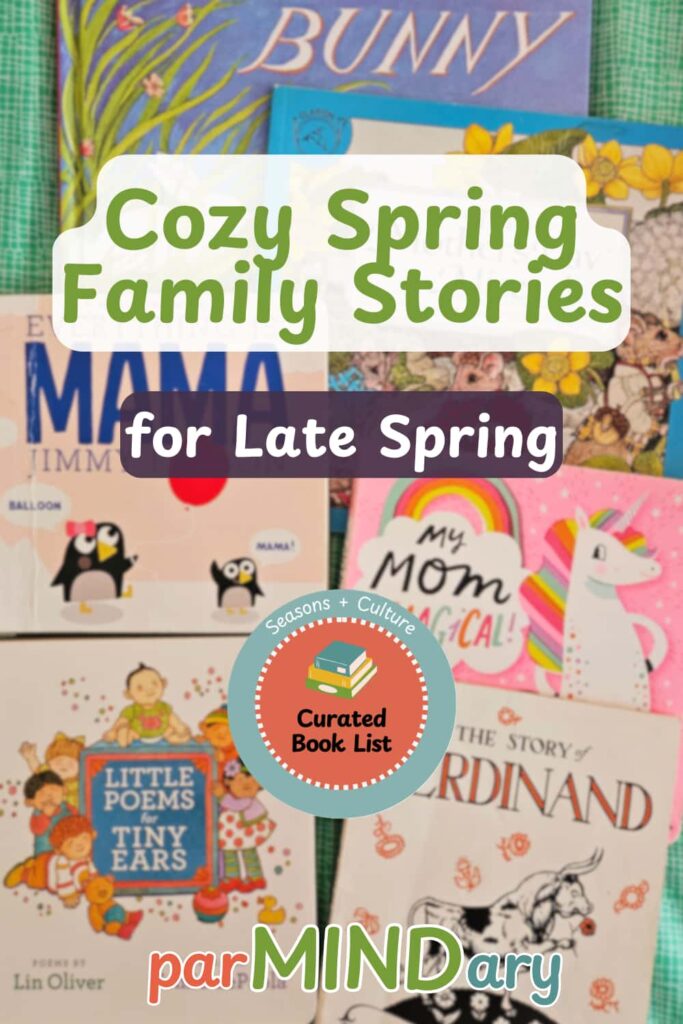
Runaway Bunny – Margaret Wise Brown
Wide meadows, quiet rooms, and imagined journeys unfold as a mother promises to follow wherever her child may go.
Why this book matters: Reassurance repeats itself gently across changing landscapes and imaginative scenes. The story forms a comforting pattern of attachment, return, and enduring care that mirrors the emotional warmth often associated with home and family traditions.
Themes / patterns: family bonds, reassurance, imagination, belonging, home, emotional security, repetition
Age range: 1–4
Find Runaway Bunny on Amazon
Find stories about authors and how they learned to write, including Margaret Wise Brown, in our Language & Meaning book list.
👉 Children’s Books About Reading, Writing, and the Meaning of Words
The Mother’s Day Mice – Eve Bunting
Tiny mice gather flowers and prepare small handmade gifts while spring unfolds softly around them.
Why this book matters: Shared traditions often become meaningful through small acts of thoughtfulness and preparation. Flowers, handmade offerings, and family rituals connect affection with the rhythms of late spring.
Themes / patterns: Mother’s Day, family traditions, flowers, gift-giving, kindness, spring celebrations, caregiving
Age range: 1–4
Find The Mother’s Day Mice on Amazon
Everything is Mama – Jimmy Fallon
Simple everyday objects become part of an amusing and familiar pattern centered around one beloved word.
Why this book matters: Early language development unfolds through repetition, recognition, and close family connection. Familiar routines and affectionate interactions create a strong sense of comfort and attachment during the earliest years of childhood.
Themes / patterns: early language, family connection, repetition, routines, humor, infancy, attachment
Age range: 0–2
Find Everything is Mama on Amazon
My Mom is Magical – Sabrina Moyle
Bright flowers, playful adventures, and affectionate moments turn everyday motherhood into something joyful and imaginative.
Why this book matters: Admiration and love are expressed through vivid comparisons drawn from nature, color, and fantasy. The story captures the celebratory feeling that often surrounds family-centered spring traditions and appreciation.
Themes / patterns: motherhood, imagination, affection, celebration, family relationships, flowers, playfulness
Age range: 0–3
Find My Mom is Magical on Amazon
The Story of Ferdinand – Munro Leaf
Wildflowers fill the meadow while one quiet bull prefers sitting peacefully beneath a cork tree instead of joining the excitement around him.
Why this book matters: Stillness and gentleness remain present even during seasons filled with movement and celebration. Flowers, open landscapes, and quiet observation begin to show another way of participating in the world.
Themes / patterns: flowers, gentleness, quiet observation, individuality, nature, stillness, belonging
Age range: 2–6
Find The Story of Ferdinand on Amazon
Little Poems for Tiny Ears – Lin Oliver
Rain puddles, animals, gardens, and bedtime moments drift gently across short rhythmic poems filled with warmth and play.
Why this book matters: Small moments become memorable through sound, repetition, and sensory detail. Poetry slows attention toward everyday experiences that might otherwise pass unnoticed during the busy fullness of late spring.
Themes / patterns: poetry, noticing, rhythm, sensory experience, family life, nature, childhood
Age range: 1–3
Find Little Poems for Tiny Ears on Amazon
While We’re Here – Anne Wynter
Linger over the ordinary moments that make time together matter.
Why this book matters: Everyday experiences shared by children and their caregivers become a quiet meditation on presence and change. Its attention to what can be held while a moment is here fits late spring especially well, when the season feels full even as it continues moving forward.
Themes / patterns: family, presence, time, connection, change
Age range: 4–8
Find While We’re Here on Amazon
Beyond stories and celebrations, late spring also invites us outdoors — into gardens, shared spaces, birdsong, and the everyday patterns unfolding all around us.
🌼 Seasonal Observation Ideas for Late Spring
By late spring, the world feels full.
Trees that were once bare are now heavy with leaves. Birds are busy building nests and feeding their young. Bees move constantly between flowers. Gardens seem to stretch upward almost overnight. What began quietly in early spring has now become layered, connected, and alive with movement.
Late spring is a wonderful time to help children notice relationships in nature — not just individual plants or animals, but how living things depend on one another.
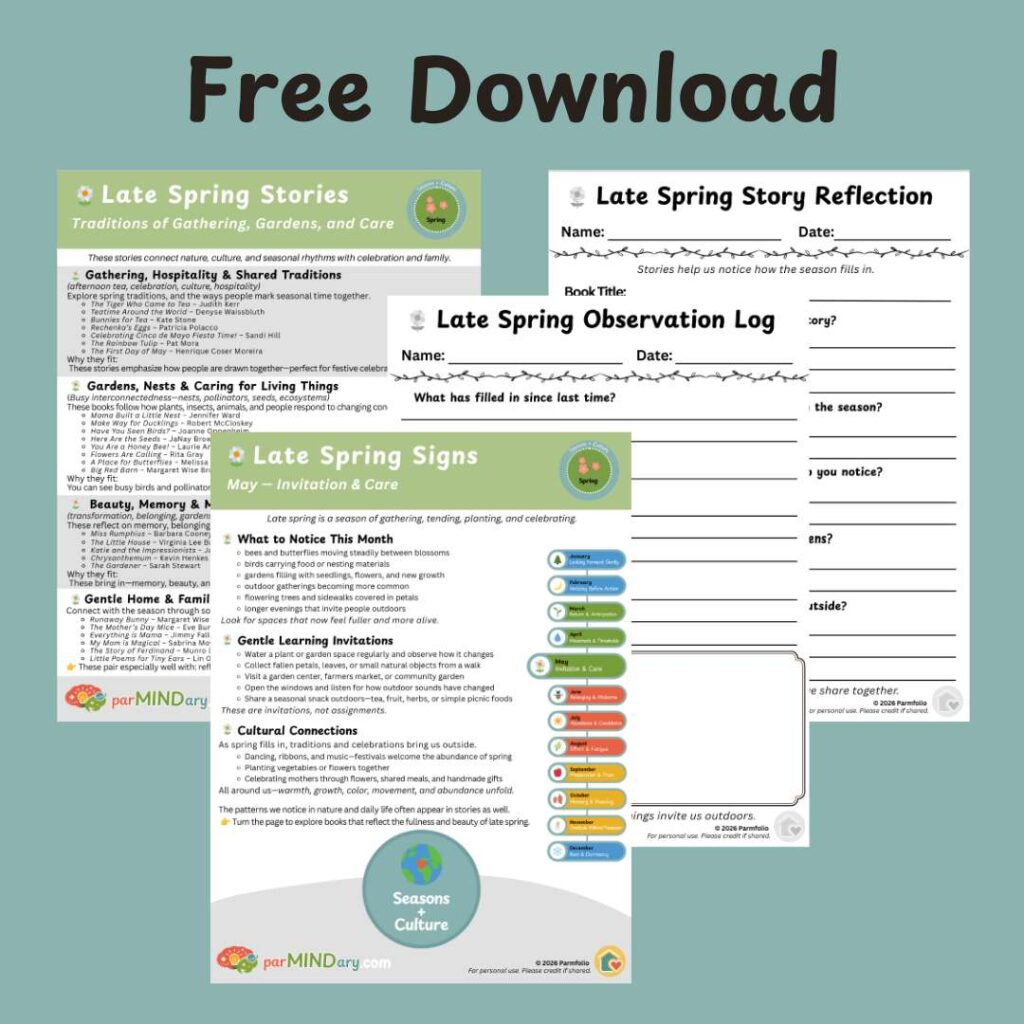
Visit the parMINDary Free Resource Library:
To download the Late Spring Observation + Story Guide
A story paired with a simple outdoor observation can help these seasonal patterns become easier to see. Choose a book from the list above, then step outside together and notice what the season is doing around you.
A nature journal or seasonal calendar are our preferred ways to record what we notice together.
You might try:
• Watch pollinators at work.
Sit quietly near flowers and observe which insects visit them. Do different flowers attract different pollinators? Watch how bees, butterflies, or hummingbirds move from plant to plant throughout the day.
• Look for signs of nesting and caregiving.
Listen for birds carrying materials or feeding their young. Watch how animals move differently during late spring as they care for nests, eggs, or babies.
• Notice how gardens change week by week.
Visit the same garden or outdoor space several times throughout May. Which plants are flowering? Which are growing taller? Which insects or birds return regularly?
• Observe shared spaces.
Parks, gardens, sidewalks, porches, and community spaces often change during late spring. Look for flower baskets, planted containers, outdoor gatherings, or seasonal decorations that show how people participate in the season too.
• Pay attention to sound.
Late spring is often louder than early spring. Listen for bees buzzing, birds singing, leaves moving in the wind, lawn mowers, festivals, or people sharing spaces outside more often.
• Record one small moment.
A drawing, short journal entry, pressed flower, nature photo, or simple conversation can help preserve small spring memories. Over time, these observations begin to tell the story of the changing year.
We recorded our own observations of late spring in the Parmfolio Learning Lab Field Journal.
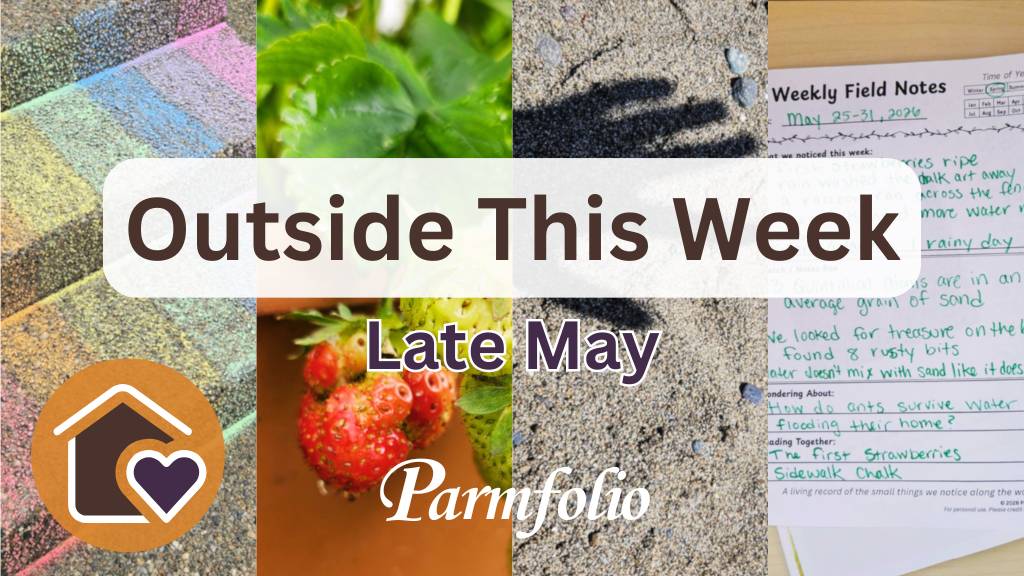
Late spring reminds us that seasons are something we can both observe and participate in. Gardens are planted, celebrations are shared, and living things prepare spaces for new life all around us.
Explore how this movement begins in our Mid-Spring post:
🌼 May — Invitation & Care
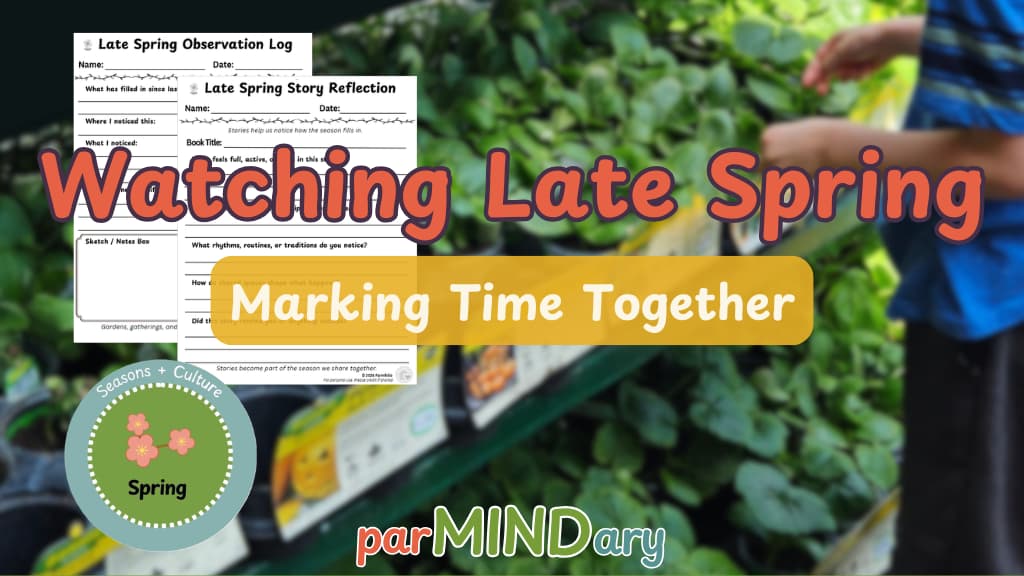
Watching Late Spring: Marking Time Together
🌼 Related Seasonal Posts
Explore more seasonal learning ideas on our Seasons & Culture pillar page.
Or follow how we learn to notice the seasonal cycle here:
Watching the Year
🌎 Watching the Year: Homeschooling Through the Seasons
🌲 Watching Midwinter: Renewal and Anticipation
🌙 Watching Late Winter: Staying Indoors and Keeping Warm
🌱 Watching Early Spring: Waiting for the First Signs of Change
💧 Watching Mid-Spring: When Motion Replaces Waiting
🌼 Watching Late Spring: Marking Time Together
🐝 Watching Early Summer: Long Days and Open Possibility
☀️ Watching High Summer: Stillness Inside Abundance
🌾 Watching Late Summer: Holding and Letting Go
🍎 Watching Early Autumn: Preparing for the First Signs of Fall
🍂 Watching Mid-Autumn: The Work of Letting Go
🕯️ Watching Late Autumn: Quiet Before Winter
❄️ Watching Early Winter: Light, Memory, and Celebration
Curated Seasonal Book Lists
🌎 Stories That Follow the Whole Year
🌲 Quiet Deep Winter Stories for Children
🌙 Late Winter & Waiting Stories
🌱 Early Spring Stories for Children
💧 Spring Migration & Movement Stories
🌼 Spring Festivals & May Tradition Stories
🐝 Early Summer Stories for Children
☀️ High Summer Nature & Pollinator Stories
🌾 Late Summer Effort & Harvest Stories
🍎 Migration & Autumn Arrival Stories
🍂 Autumn Harvest & Celebration Stories
🕯️ Gratitude & Community Stories
❄️ Winter Light & Celebration Stories
Through gardens, celebrations, shared meals, and quiet routines, late spring slowly becomes a season we participate in together.
Note: Whether you borrow books from the library, purchase them, or share them with friends, the goal is the same: finding stories worth returning to. We visit our local library every week and add a few favorites to our home library throughout the year.
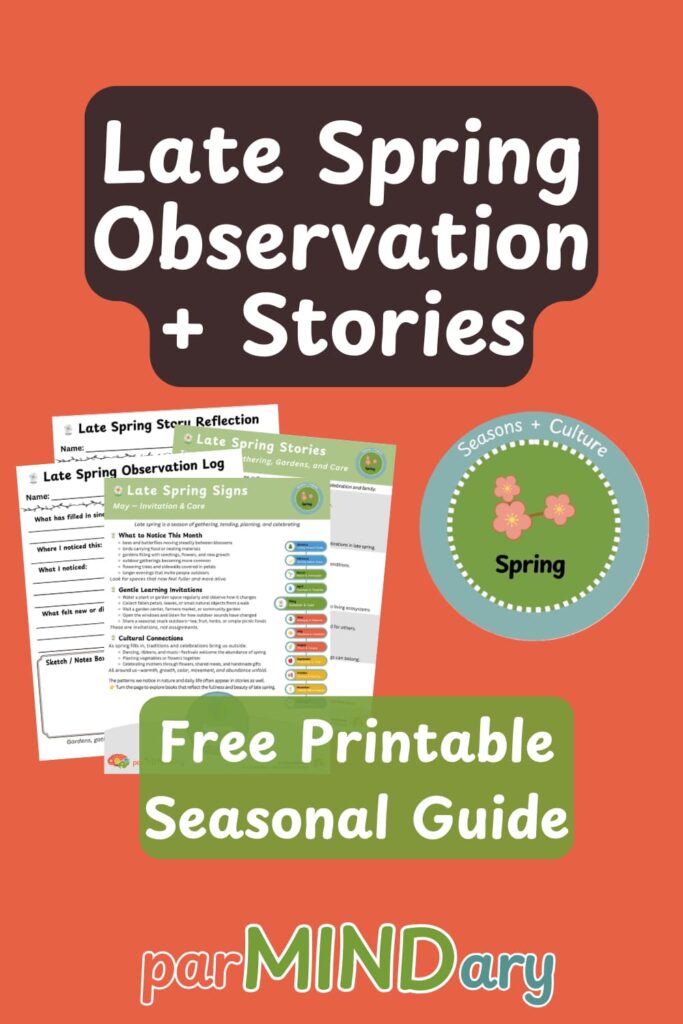
Download the Seasonal Observation + Story Guides from our Free Resource Library.